Skip to search Skip to main content

Closed and Recirculating Aquaculture System (CAS and RAS) feeds

Closed and recirculating aquaculture systems place specific demands on feed. Feed choice can influence fish performance, waste characteristics, filtration and water quality, making it important to consider the needs of both the fish and the production system.
  • What is CAS?

    CAS is a system that produces salmon and other fish in a controlled space with less impact on the environment. These types of spaces can include land-based raceways, tanks and ponds, as well as RAS and closed or semi-closed facilities at sea. 

  • What is RAS?

    RAS are land-based aquaculture facilities that reuse water by cycling it through a series of filtration and treatment units with a limited addition of make-up water. 

Feeds that are optimized for fish and system

  • Fish icon

    Fish needs

    • Good digestibility
    • Low feed conversion ratio
    • Precise nutrition
  • Pellet
  • Cogwheel icon

    System needs

    • Good physical qualities
    • Minimal waste
    • Easily removable faeces

Optimal diets for optimum water quality

RAS come with their own unique challenges, one of the most critical being consistently maintaining optimum water quality. This requires organic matter (in both particle and dissolved forms) excreted by the species to be efficiently removed by the system. Efficient treatment equipment in RAS is essential, and in addition, fish feed can play an important role in waste and water management, while also affecting growth, FCR, product availability and fish health. It is imperative to only use optimal diets to not just decrease the total waste output, but also improve faecal stability. In other words, with optimal diets, a smaller quantity of faeces will be excreted by the fish, and a higher proportion will be removed by physical filtration.

What we offer for closed aquaculture systems

Achieving a healthy and sustainable production is dependent on knowledge about feed and a comprehensive understanding on fish quality, feeding equipment, sludge handling, and water quality. This is something we have specialised in at Skretting, and we recommend our CAS and RAS clients to use RCX feeds that ensure consistent structural integrity through a certified quality assessment.

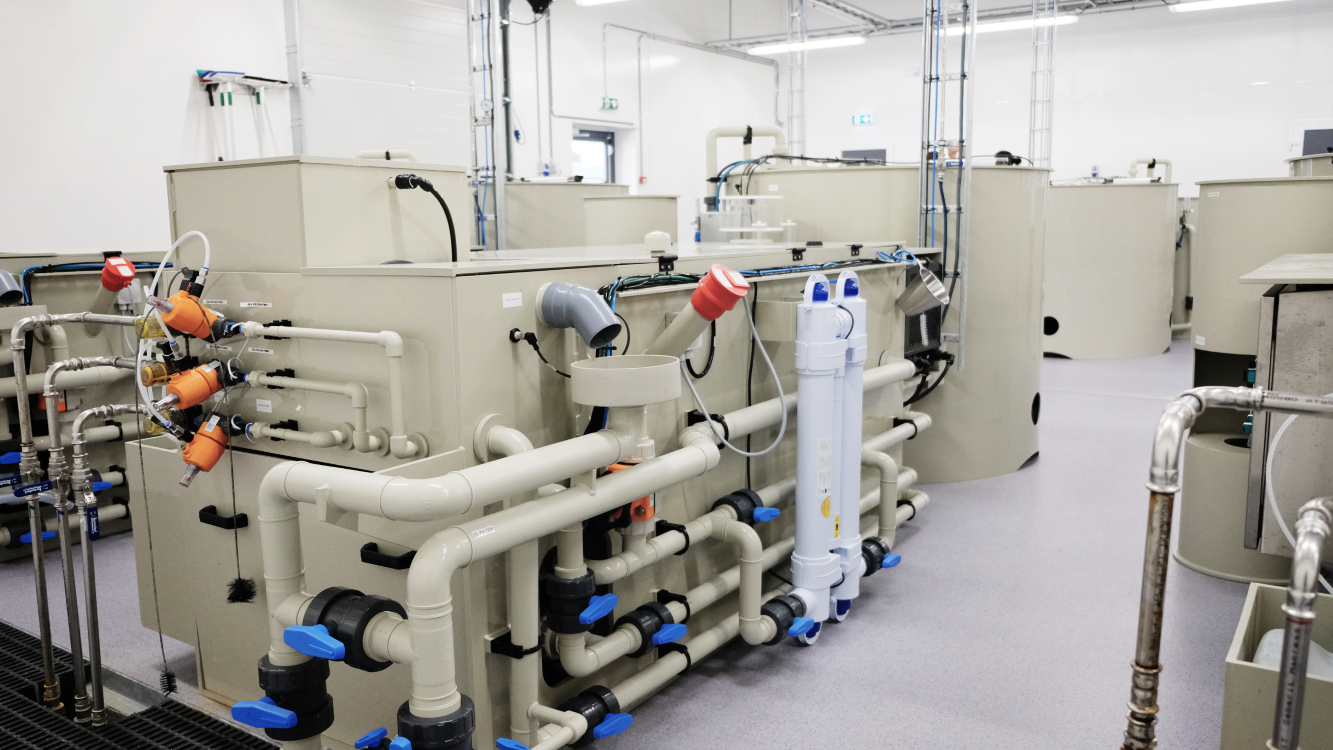
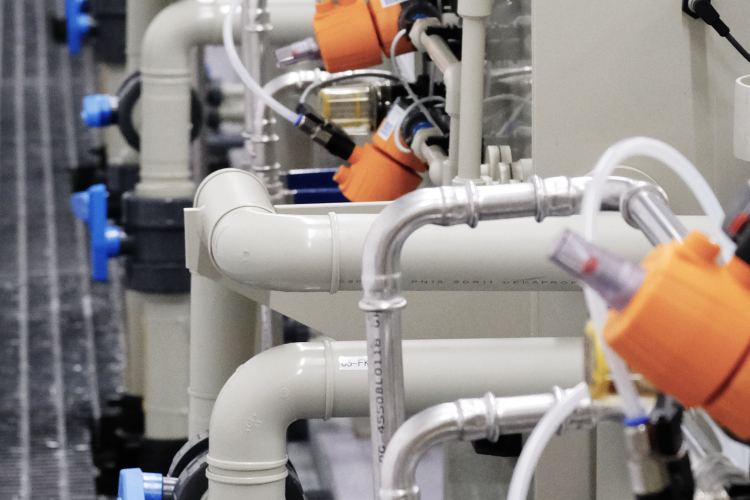
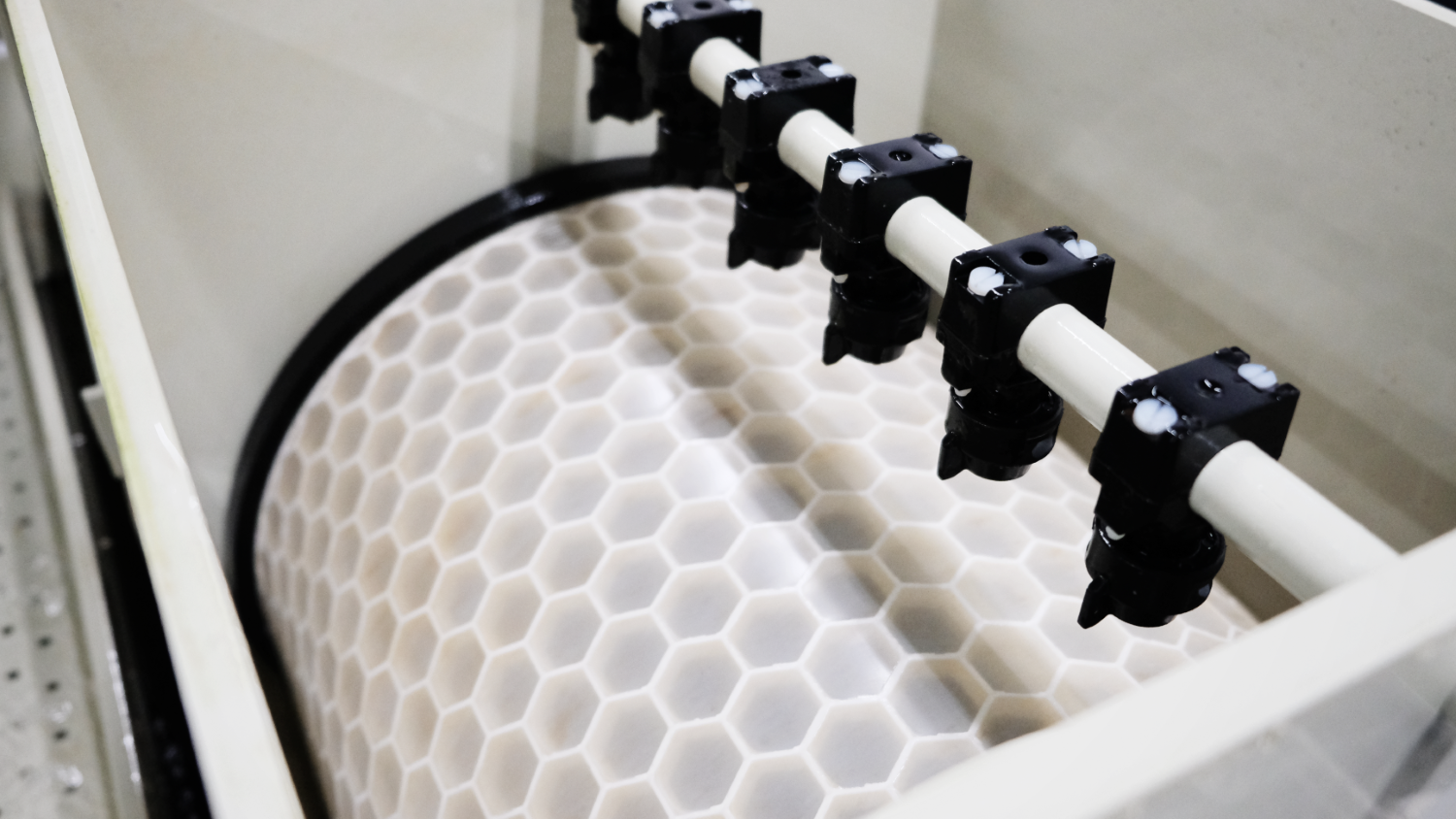
Our research facilities for RAS

FAQ

Is RAS feed different from standard feed?

RAS feeds are developed with the needs of the fish and the water-treatment system in mind. In addition to nutrition and feed performance, characteristics such as pellet stability, digestibility, faecal quality and nutrient release can be particularly important in a recirculating system.  

How do I choose feed for a closed or recirculating system?

Start with the species, life stage and production goals, then consider system conditions such as temperature, stocking density, feeding equipment, filtration capacity and waste management. Your local Skretting technical team can help you assess these factors and identify a suitable feed programme.