What is CAS?
Closed aquaculture systems (CAS) raise fish in a more controlled environment than traditional open systems. They may include land-based raceways, tanks and ponds, as well as closed or semi-closed facilities at sea.
Feed for CAS and RAS needs to meet the nutritional needs of the fish while also working effectively within the production system. Digestibility, pellet integrity, nutrient release and faecal stability can influence feed performance, waste handling and water treatment.
Skretting has extensive experience in feed and services for closed and recirculating aquaculture systems. Commercial RAS feeds were first introduced by Skretting in 2009, alongside dedicated research resources for this segment.


Recirculating Aquaculture Systems are land-based aquaculture facilities that reuse water by cycling it through a filtration system so it can be used again. The highly sustainable nature of these operations reduces the amount of water and space needed for aquaculture. The population of RAS-based facilities has grown exponentially and more are being implemented worldwide, year after year. The increased use of RAS represents a paradigm shift for aquaculture as they are becoming the standard, not only for early stages in freshwater, but the entire life cycle for many species.
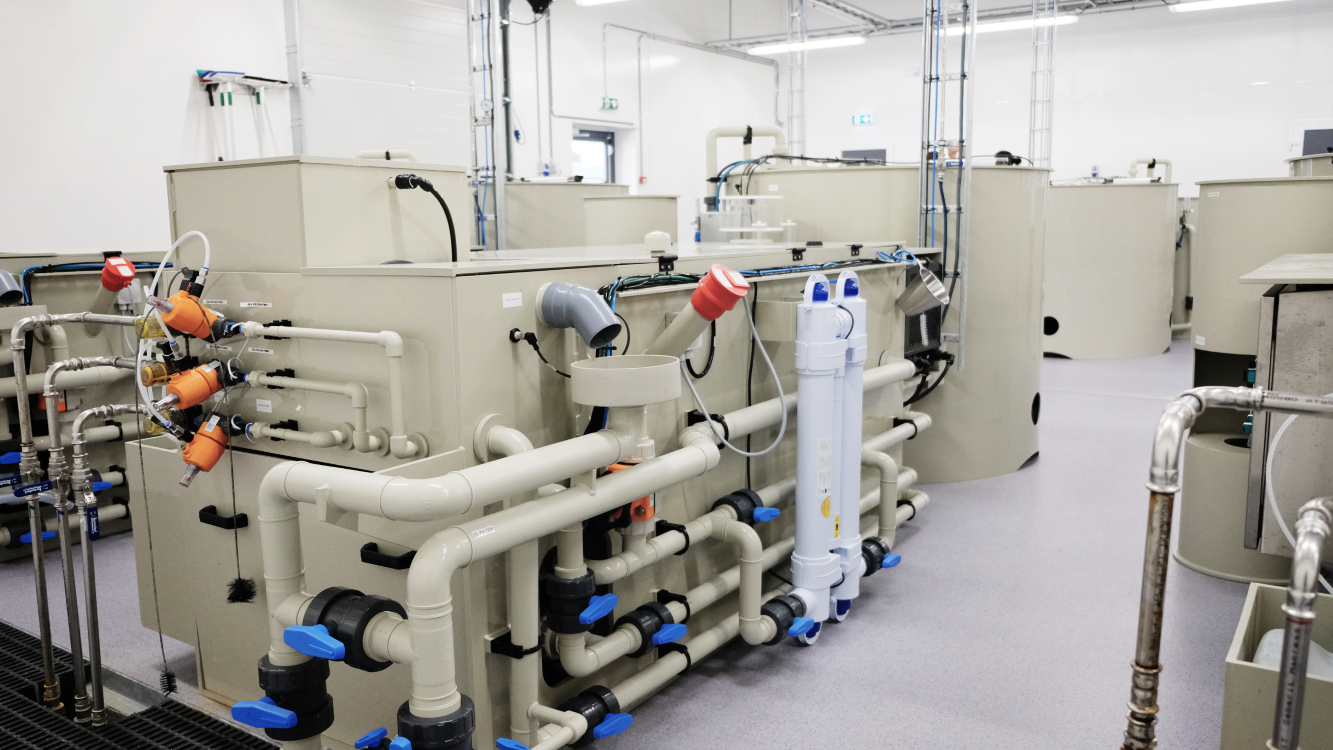
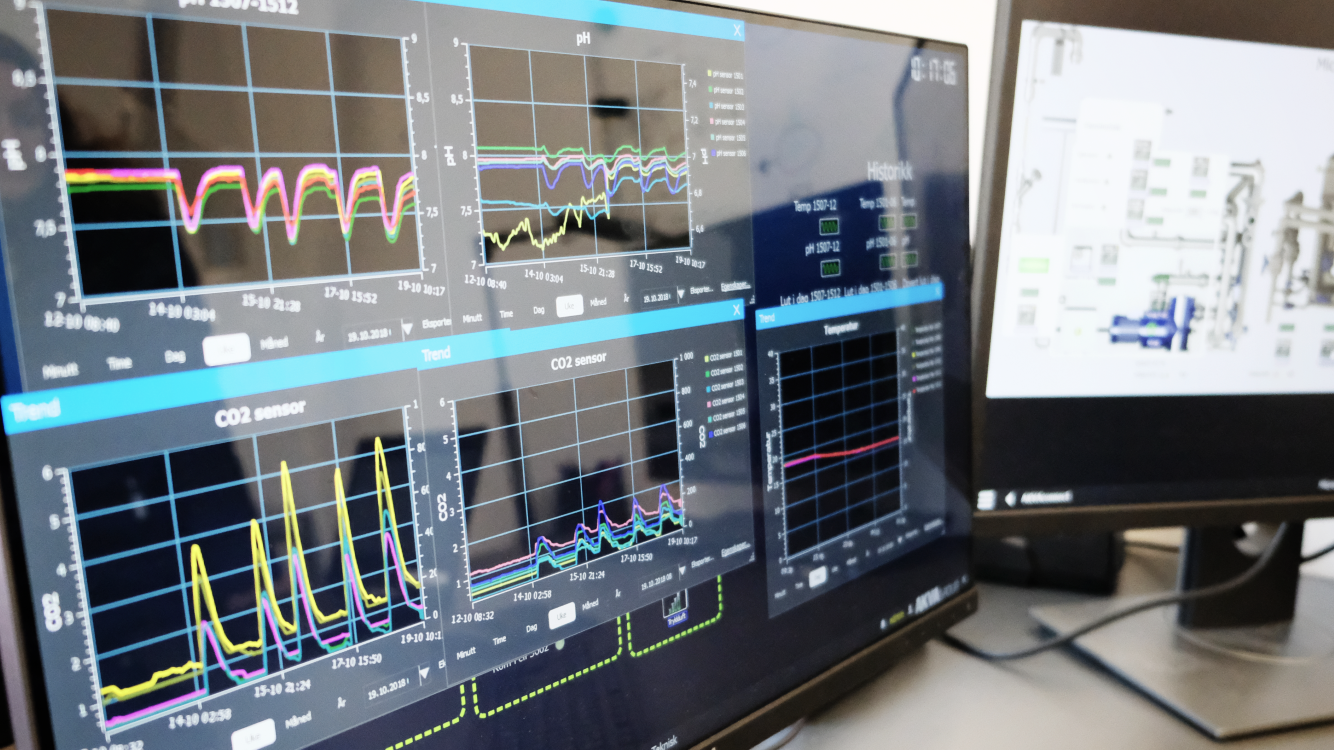
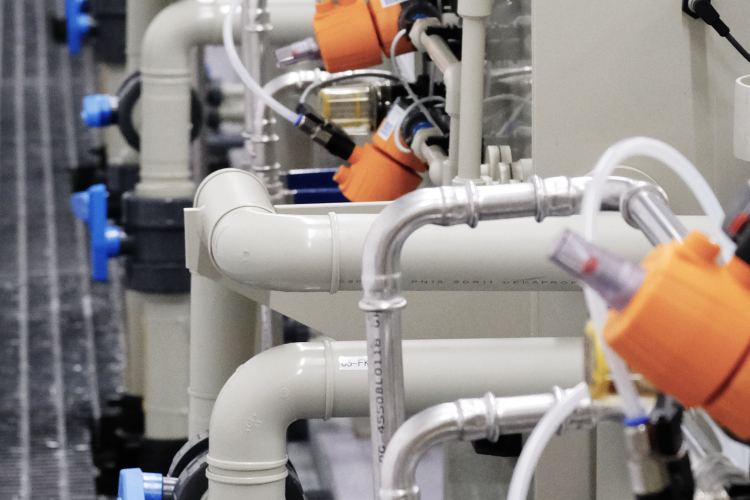
RAS feeds are developed with the needs of the fish and the water-treatment system in mind. In addition to nutrition and feed performance, characteristics such as pellet stability, digestibility, faecal quality and nutrient release can be particularly important in a recirculating system.
Start with the species, life stage and production goals, then consider system conditions such as temperature, stocking density, feeding equipment, filtration capacity and waste management. Your local Skretting technical team can help you assess these factors and identify a suitable feed programme.