Are farms healthy environments for producing fish and shrimp?
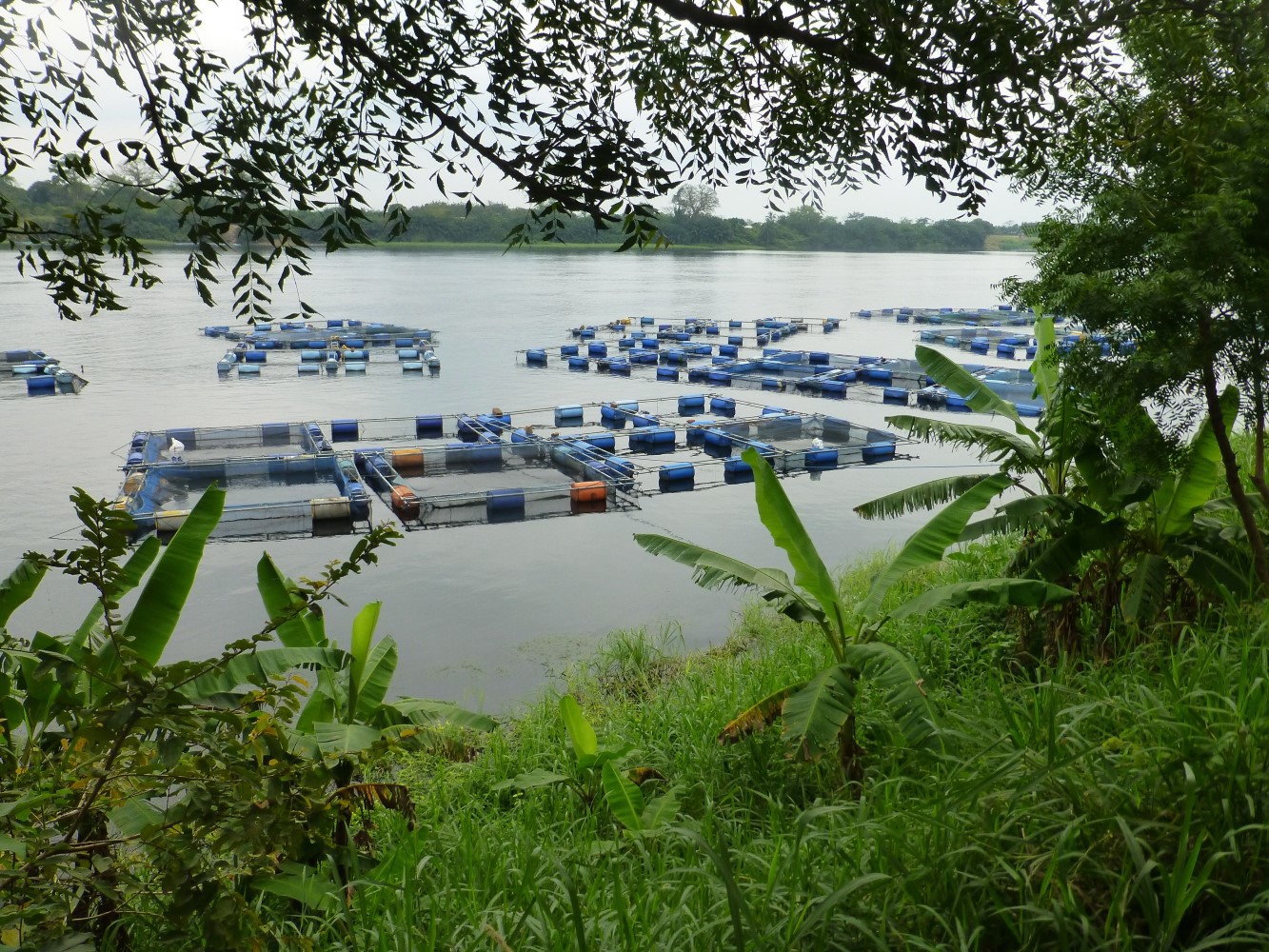
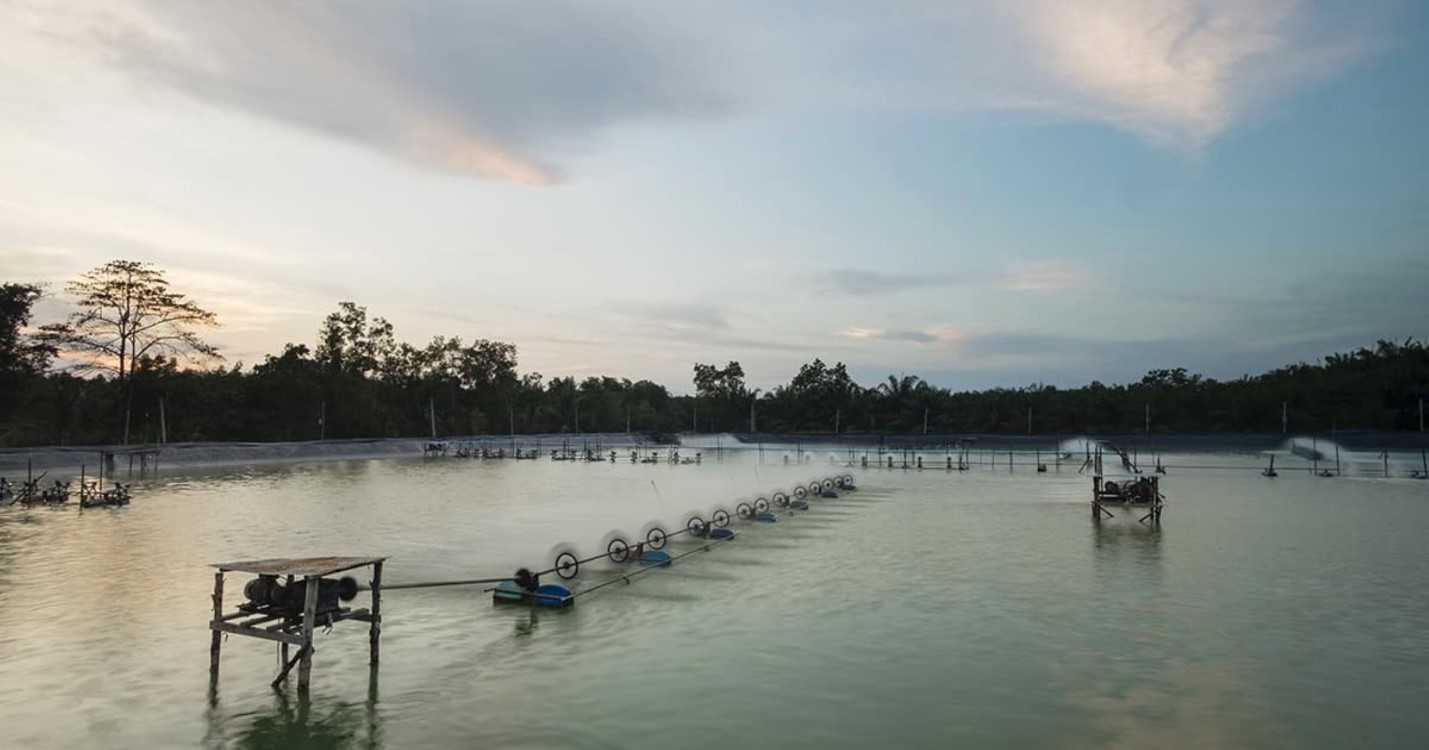
Aquaculture farms can provide healthy environments for fish and shrimp when they are designed and managed for the needs of the species. Conditions vary between farms and production systems and depend on factors such as water quality, stocking density, nutrition, health management, waste handling and day-to-day operational practices.
Animal-health, welfare, hygiene, environmental and food-safety requirements also vary by country, species and production system. Feed contributes by providing nutrients appropriate to the species and life stage, but health and welfare depend on the whole farming environment and how it is managed.
Frequent questions on animal health and welfare
Why do aquaculture species grow quickly?
In aquaculture, all of the production factors are optimised. This makes it possible for farmed species to reach market sizes faster than wild species.
Are farms healthy environments for producing fish and shrimp?
Aquaculture farming systems must comply with extremely strict requirements designed to safeguard animal welfare, hygiene and safety. These also ensure a wide range of characteristics are optimised, including water and waste management.
Is low fish meal/fish oil content in feeds harmful to fish and shrimp?
No. The latest feed formulations are specifically designed to give aquaculture species all of the nutrients that they need in order to optimise their health and growth performance, and to ensure end-product quality.