Why choose farmed fish and shrimp?
Farmed and wild seafood both contribute to global food supply. The appropriate choice depends on the species, production or fishery, origin, season, product and the environmental and social factors considered.
Aquaculture can provide a consistent supply of seafood and allows producers to manage factors such as nutrition, health and production conditions. Its performance varies by farming system and location and should be assessed using relevant evidence rather than a single sector-wide claim.
Consumers can use information on origin, production method, applicable certification and national dietary guidance when making a choice.
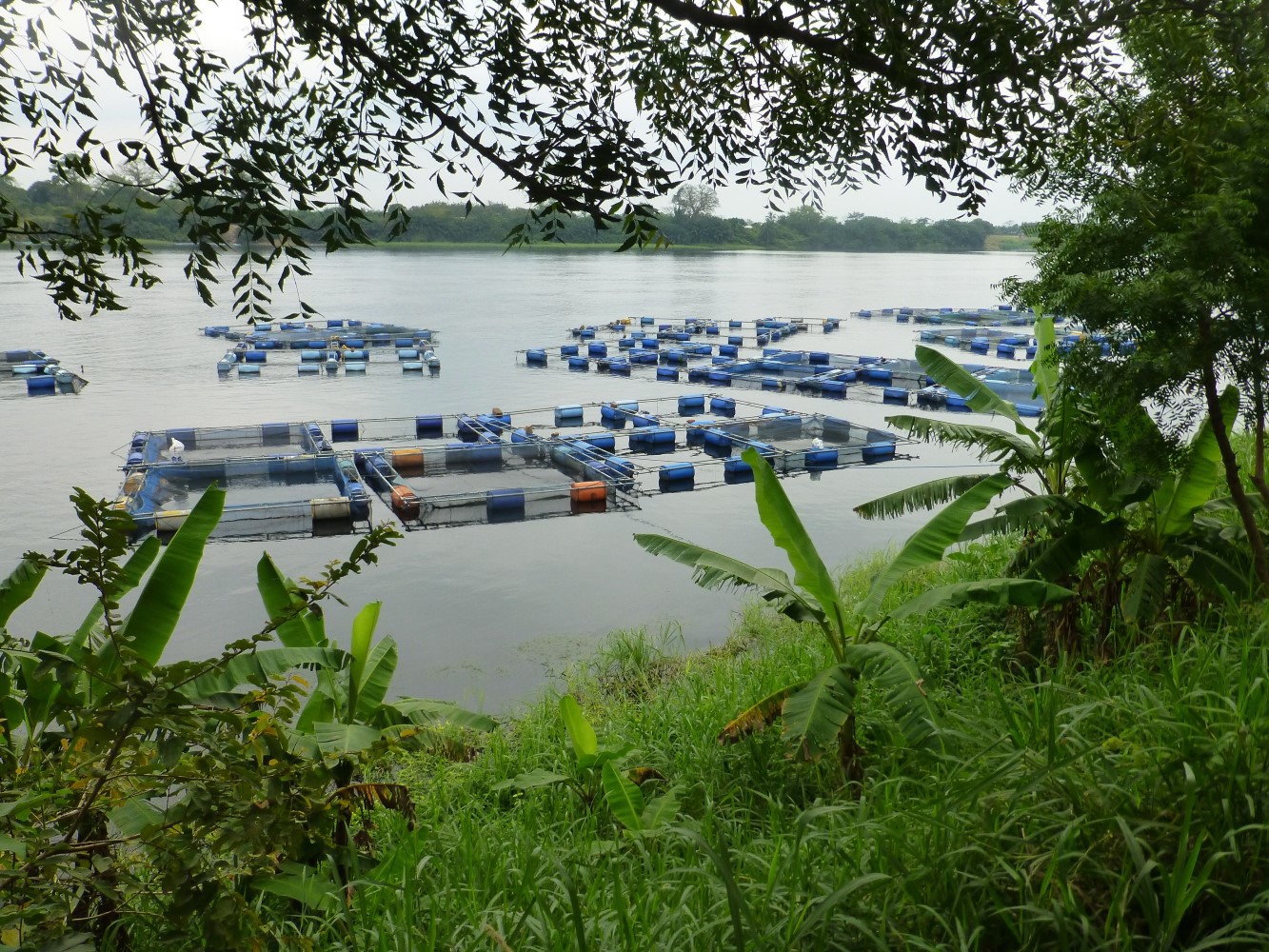

Frequent questions on health and safety
Are farmed fish and shrimp healthy to eat?
Yes. Regardless of whether it has been caught or farmed, fish and shrimp are a fantastic source of high-quality protein, precious vitamins and minerals.
Is it safe to eat farmed fish and shrimp?
The regulations that govern the harvest and processing of seafood for human consumption rank among the most stringent in the world. Aquaculture standards have been developing for many years and high-quality fish and shrimp feeds are a prerequisite for the industry.
Why choose farmed over wild fish?
There are many positive reasons to choose farmed fish over wild. In many cases, wild populations of fish are under threat due to over-fishing, habitat loss or other changes. We know what a farmed fish has eaten and the level of control over the ingredients, while we have no control over wild fish or possible pollutants they have consumed or been exposed to.