
The Feed Iceberg
What on Earth is it?
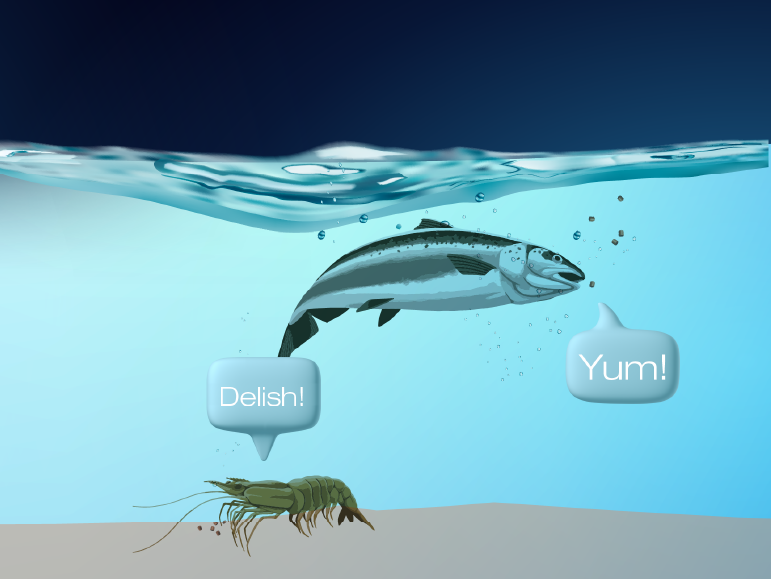
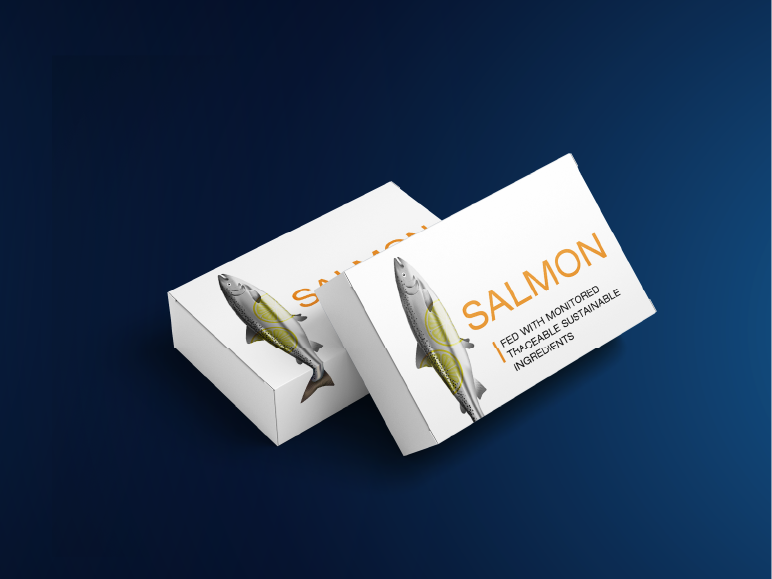
Fish and shrimp feeds are an essential contributor to global food security. In 2025, through our feed, we contributed to the production of more than 25 million portions of seafood meals each day across the globe. There is a lot of outdated information about feed out there, but the industry has come a long way from where we began. So, what is in a feed? How do we make them? How do we ensure quality and sustainability standards? And why do they cost what they do?
Did you know that more than 20 million people around the world work in aquaculture, and that the fish and prawns they feed depend on these small pellets? As a global aquafeed producer, Skretting has a great responsibility, and we are passionate about getting it right.
One of our ambitions is to make sure that we are transparent in what we do, so that people can feel secure in buying and eating farmed fish and shrimp (side note, did you know that over 50% of all seafood is farmed, and that wild catch has not increased since the 1980s?). For that reason, in this series, we shine a light on our aquaculture feeds, their unique properties, and the innovation that is critical to ensuring we can all enjoy safe, healthy and sustainable seafood in the future.
Read on to learn about the highly advanced processes behind the humble but mighty pellet.
Why do we call it the pellet iceberg?
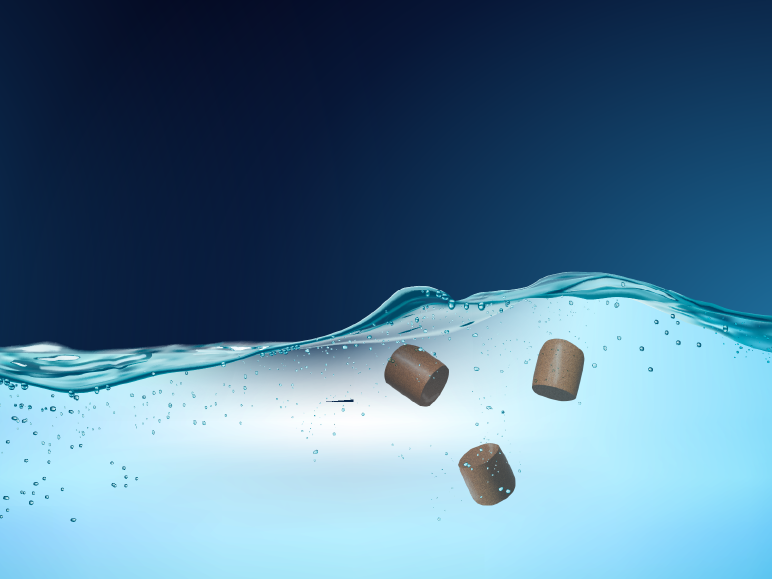
Just as 90% of an iceberg is hidden under the waterline, almost all the value of aquafeed is not visible to the naked eye (let alone to people outside our industry). We want to change that. The humble exterior of pellets hides decades of pioneering scientific research and development and practical commercial applications, all geared towards making the cultivation of aquatic species more accessible, sustainable, productive, and valuable.
Next chapter
A little context and the future of blue foods. Also known as 'why Skretting exists'.
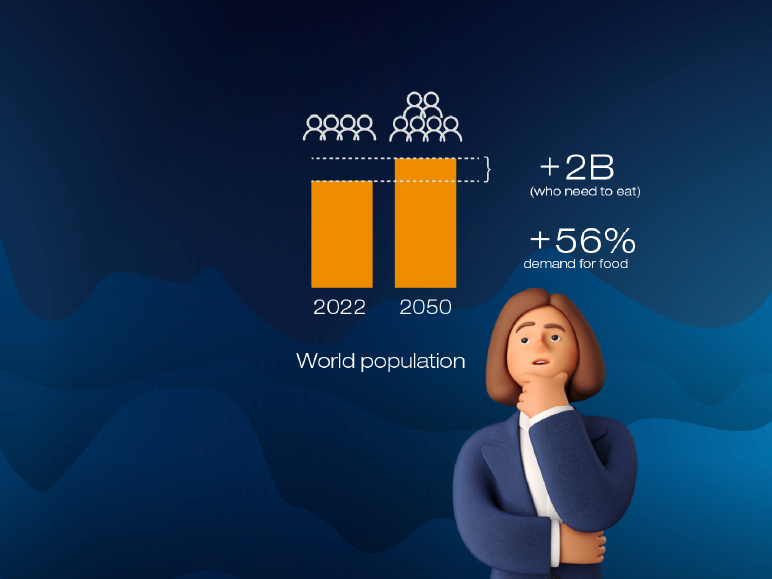
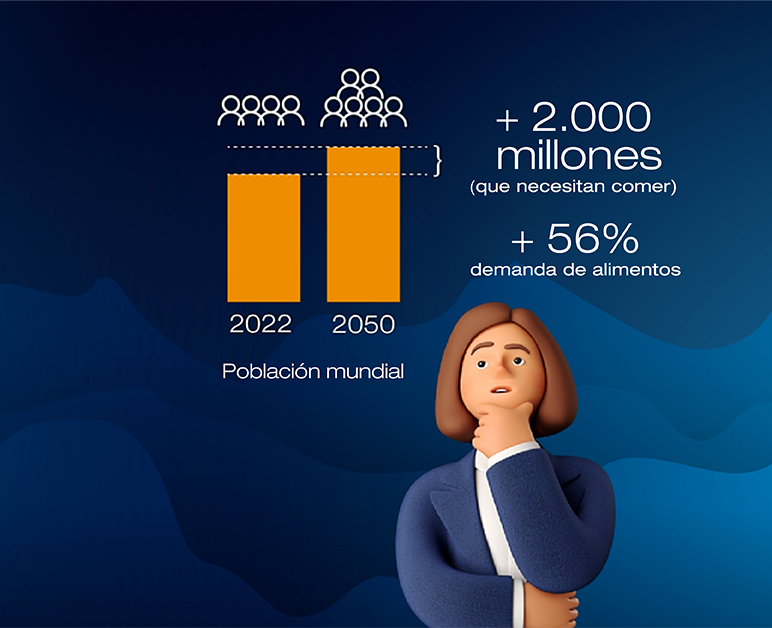
Before we delve into the pellet itself, let's talk about why we're here. The challenge of global food security is simple and well-known: by 2050, the world must feed two billion more people, an increase of a quarter of the world's population today. The demand for food will be 56% higher than in 2010. And this must be achieved without more land and with a limited amount of water.