Addressing climate change
According to the United Nations, climate change is a defining issue of our time. As the planet's population, economies and standards of living grow, so does the cumulative level of greenhouse gas (GHGs) emissions. The most abundant greenhouse gas is carbon dioxide (CO2). The concentration of the GHGs in the earth's atmosphere is directly linked to the average global temperature on Earth. Because CO2 lingers in the atmosphere for centuries or even longer, the sooner we curb emissions, the better our chances of limiting the temperature rise.
Science-based targets
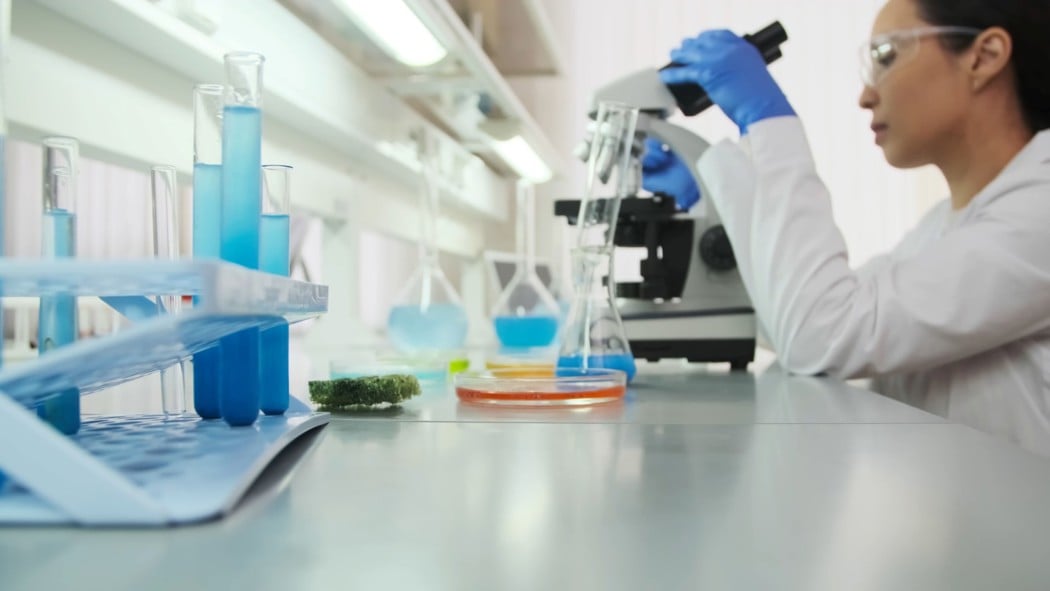
As part of Nutreco, Skretting works towards greenhouse gas reduction targets developed through the Science Based Targets initiative. We report progress against defined baseline years, emissions scopes, organisational boundaries and reporting periods. Current targets and results should be read together with the scope and methodology in our latest Impact Report.
Our operations and KPI's
We monitor, record and report environmental and social manufacturing indicators across our production sites. This enables us to follow performance and share practices across operations. Results can be influenced by changes in our production footprint, production volumes, energy sources and data coverage. All Skretting manufacturing facilities are required to have a waste-handling plan that supports recycling and avoids landfill where practicable.

Deforestation
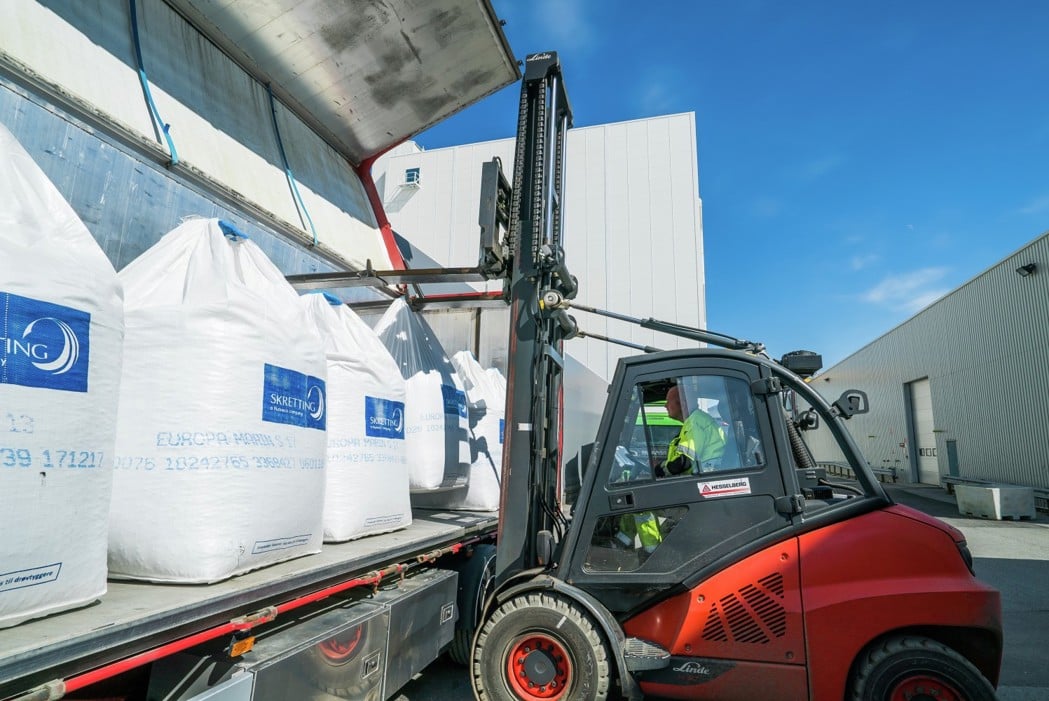
For vegetable ingredients, our procurement teams apply sourcing requirements designed to address deforestation and conversion risks. The requirements and level of assurance depend on the ingredient, region of cultivation and applicable Nutreco policy. Further information is available in the Nutreco Soy and Oil Palm Ingredients Sourcing Policy.
Our footprint
Feed plays an important role in fish and shrimp health, wellbeing and production efficiency. It also contributes to the environmental footprint of aquaculture, with ingredients accounting for a significant share of feed-related greenhouse gas emissions. We use lifecycle data and technical expertise to identify potential reductions associated with ingredient sourcing, feed formulation and feed use. Results depend on the product, production system, geography, period, baseline, comparator, data quality and methodology used.
Circularity
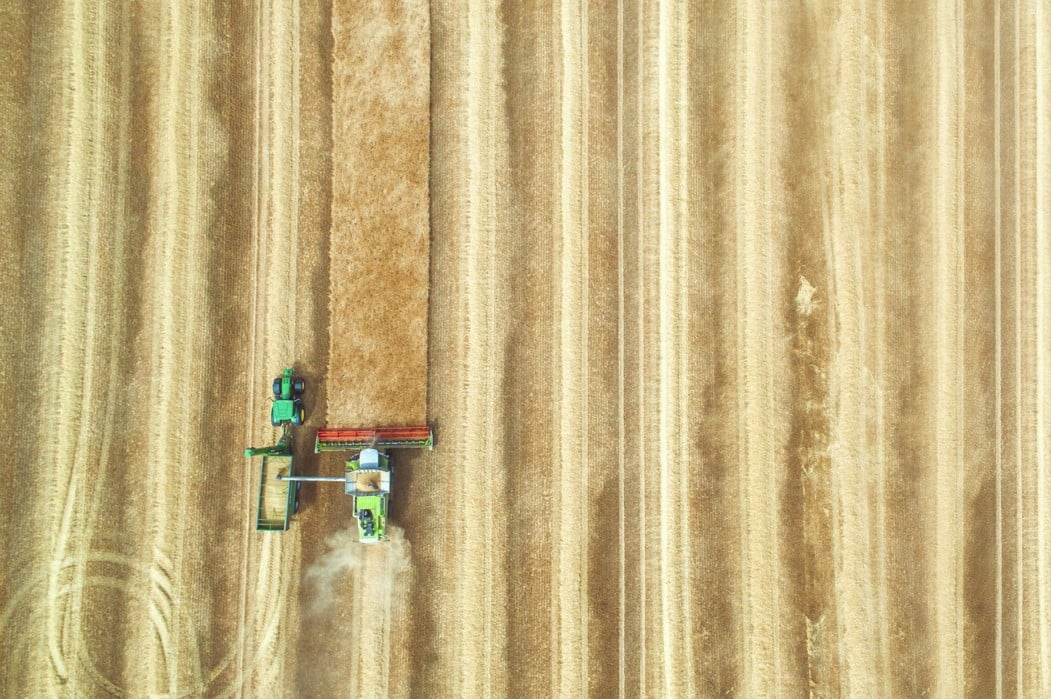
The circular economy can provide options for making greater use of materials that might otherwise have limited value. We explore the use of by-products and other circular ingredients where they meet nutritional, safety, regulatory, availability and lifecycle-performance requirements. Circular origin alone does not demonstrate a lower environmental footprint; performance depends on the ingredient and the methodology used.