Skip to search Skip to main content

Feed to food quality and safety - Nutrace

How we work with transparency and trust

Our quality, safety and traceability approach brings together ingredient and supplier approval, production controls, product release, monitoring and follow-up. The systems are designed to support consistent feed production and provide information about the materials used.

Ensuring food quality and safety - Nutrace

Nutrace® is Skretting’s unique company-wide management program that ensures feed-to-food quality and safety. Nutrace is continuously evolving to ensure that all potential risks associated with Skretting’s fish and shrimp feed production are minimised, and that any irregularities are found quickly and acted on. This unique concept allows our customers and end-consumers to have full confidence in Skretting as a transparent and trustworthy partner.

All internal operations are audited and all suppliers undergo a comprehensive evaluation and approval process to ensure premium-quality, renewable and responsibly managed resources. We conduct robust analyses and have full traceability of all approved raw materials - at delivery, throughout the formulation process, and up to the point of feed delivery.

Nutrace brochure.pdf

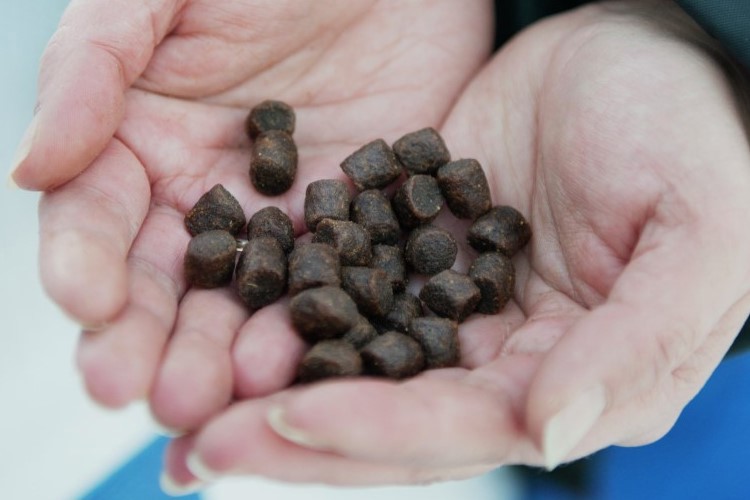
Pellets in hand
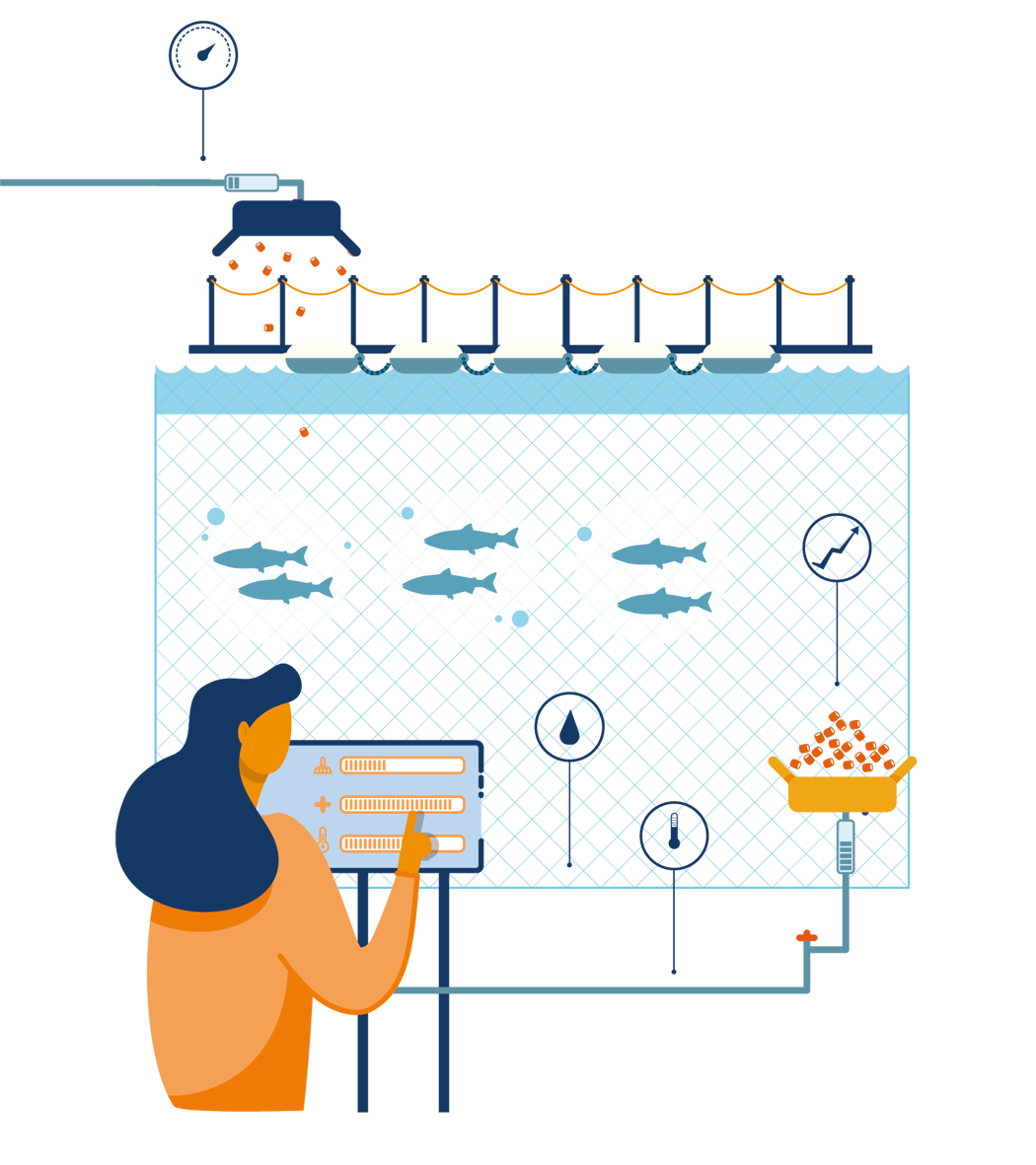
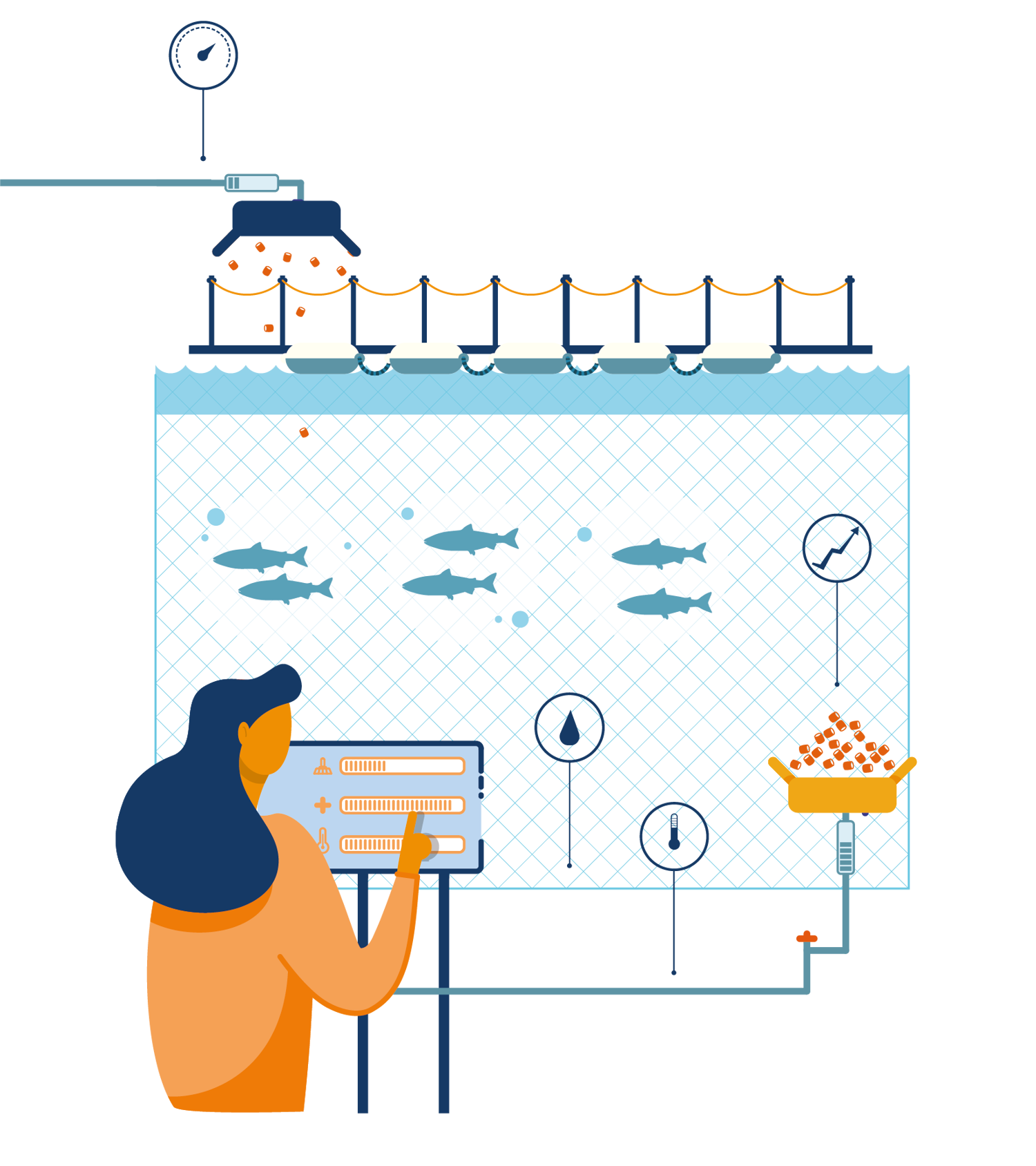
Monitoring & control illustration

Continuous monitoring and improvement

Nutrace is reviewed and updated as requirements, risks and operating practices evolve. Monitoring helps us identify irregularities, assess findings and take appropriate follow-up action across our quality and food-safety processes.
Certified quality illustration

Quality and food safety certifications

Many Skretting production sites are certified to recognised quality and food safety standards. These certifications provide independent verification of specific activities and management systems at the sites covered.

Ingredient and supplier approval

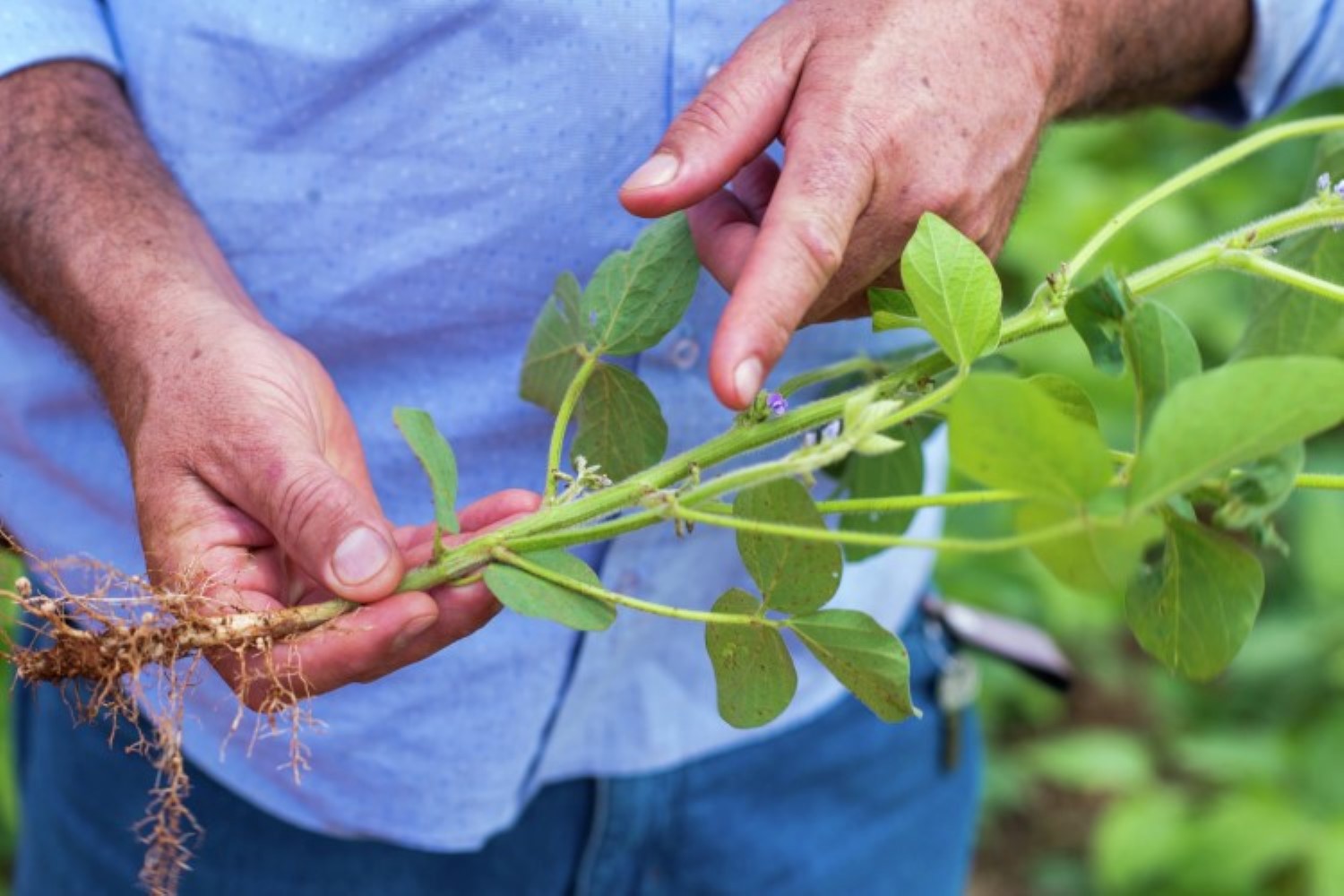
Before use, raw materials and suppliers must complete an approval process based on the ingredient, source and intended use. The assessment covers relevant quality, safety, regulatory and traceability requirements. Environmental and social sourcing requirements are addressed through our responsible sourcing policies and supplier standards.

Learn about responsible sourcing

Pellet illustration
Tracking and tracing illustration

Monitoring and follow-up

Approved ingredients, suppliers and production processes remain subject to risk-based monitoring. This can include document review, sampling, laboratory analysis, audits and investigation of irregularities. Where a potential non-conformity is identified, follow-up may include additional evidence, corrective action, suspension or withdrawal of approval, depending on the finding and applicable procedure.

Illustration

Risk management and traceability

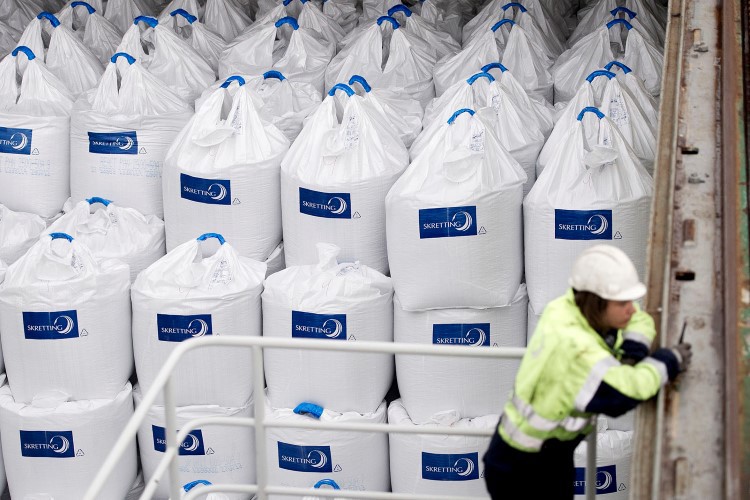
Nutrace includes procedures for managing food-safety incidents and other emergencies. Our traceability systems connect feed batches with raw materials, production records and delivery information, providing relevant upstream and downstream information when an investigation or recall is required. Skretting companies carry out training and testing to support timely decision-making and coordinated action.

Our operations and certifications

  • Skretting head office and Skretting Norway

    Head office
    Skretting
    Skretting Aquaculture Innovation (AI)

    Certifications: ISO 9001, ISO 17025

    Skretting AI Lerang Research station
    Skretting Norway

    Plants: Stokmarknes, Averøy and Stavanger

    Feed for: Atlantic salmon, seawater trout, cod, halibut,
    catfish and wrasse

    Certifications: ISO 9001, GlobalGAP, ASC, BAP, Non-GMO

  • Skretting France

    Plants: Vervins and St Hervé

    Feed for: Freshwater trout, sea bass, sea bream, turbot, salmon, catfish, tilapia, sturgeon, eel, carp and shrimp

    Certifications: ISO 9001, GlobalGAP, Non-GMO RCNA

  • Skretting Italy

    Plant: Mozzecane

    Feed for: Freshwater trout, sea bass, sea bream, sturgeon, eel, catfish and carp

    Certifications: ISO 9001, ISO 14001, ISO 45001, ISO 14067 CFP, GlobalGAP, Non-GMO, ASC

    Skretting AI Mozzecane Research station
  • Skretting Chile

    Plants: Osorno and Pargua

    Feed for: Atlantic salmon, pacific salmon, freshwater and ocean trout, tilapia, shrimp and yellowtail amberjack

    Certifications: ISO 9001, ISO 14001, ISO 45001, GlobalGAP, BAP, ASC, RTRS CoC, ISO 50001

    Skretting AI Pargua Research Station
  • Skretting Spain

    Plant: Cojóbar

    Feed for: Freshwater trout, sea bass, sea bream, turbot, sole, meagre, eel, carp, catfish, amberjack and sturgeon

    Certifications: ISO 14001, ISO 2200, ISO 45001, GlobalGAP, ASC, Halal

  • Skretting Canada

    Plants: Vancouver and St Andrews

    Feed for: Atlantic salmon, arctic char, pacific salmon, sable fish, sturgeon, trout, halibut and tilapia

    Certifications: ISO 9001, HACCP, GlobalGAP, BAP, ASC, Organic

  • Skretting Japan

    Plant: Imari

    Feed for: Yellowtail, red sea bream, bluefin tuna, amberjack, striped jack, sea bass, freshwater and seawater trout, coho salmon

    Certifications: ISO 9001, ASC

    Skretting AI Kagoshima Research Station
  • Skretting China

    Plant: Zhuhai

    Feed for: Whiteleg shrimp, black tiger shrimp, trout, sea bass, snakehead, golden pompano, catfish and sturgeon

    Certifications: ISO 22000, BAP

    Skretting AI Hezhoubei Research Station
  • Skretting Vietnam

    Plants: Ho Chi Minh City and Long An Province

    Feed for: Black tiger shrimp, whiteleg shrimp, giant freshwater prawn, red tilapia, snakehead, climbing perch, pangasius, sturgeon, Asian sea bass, grouper, cobia, clown featherback, snakeskin gourami and pompano

    Certifications: ISO 9001, GlobalGAP, BAP, ASC

  • Skretting India

    Plant: Surat

    Feed for: Whiteleg shrimp, sea bass, tilapia

    Certifications: BAP, Halal

  • Skretting Indonesia

    Feed for: Black tiger shrimp, whiteleg shrimp, tilapia, barramundi, amberjack, catfish, grouper, cobia, and tuna

  • Skretting Australia

    Plant: Cambridge and Westbury

    Feed for: Atlantic salmon, chinook salmon, barramundi, yellowtail kingfish, abalone, prawn, freshwater and seawater trout

    Certifications: ISO 9001, ISO 14001, ISO 45001, HACCP, GlobalGAP, BAP, ASC, FeedSafe

    Skretting Validation Station Australia
  • Skretting Egypt

    Plant: Belbies

    Feed for: Tilapia, catfish, mullet, carp and sea bass

    Certifications: ISO 9001, ISO 14001, ISO 2200, ISO 45001

    Skretting Validation Station Egypt
  • Skretting Turkey

    Plant: Güllük

    Feed for: Freshwater trout, carp, sea bass and sea bream

    Certifications: ISO 9001, GlobalGAP, Halal, ASC

  • Skretting Nigeria

    Plant: Ibadan

    Feed for: African catfish and tilapia

  • Skretting Ecuador

    Plants: Guyaquil x 3

    Feed for: Shrimp, tilapia and trout

    Certifications: ISO 9001, GlobalGAP, BAP, ASC, Organic, Halal, Certificación Ecuatoriana Ambiental Economía Circular, FDA

    Skretting Validation station Ecuador

    Certifications: ISO 17025

  • Skretting Honduras

    Plant: San Francisco de Yojoa

    Feed for: Shrimp and tilapia

  • Skretting Validation Station New Zealand

  • Tunga Nutrition Kenya

    Certifications: ISO 22000

  • Tunga Nutrition Uganda

About the certifications and standards

  • Nutrace

    Skretting’s company-wide management programme that ensures feed-to-food quality and safety. All Skretting companies shall adhere to these standards.

  • ISO

    Independent NGO working to bring together experts to share knowledge and develop voluntary, consensus-based, market relevant International standards supporting innovation and providing solutions to global challenges.
  • GLOBALG.A.P.

    Work with trained inspectors and auditors working for accredited certification bodies to perform independent third-party producer audits and issue certificates.
  • ASC

    Work with scientists, conservation groups, NGOs, aquaculture producers, seafood processors, retail and foodservice companies and consumers to recognise and reward responsible aquaculture.
  • BAP

    Trusted third-party aquaculture certification program. Work with improving the environmental, social and economic performance of the aquaculture supply chain and growing the global supply of responsibly farmed seafood.
  • Naturland

    Standards with holistic approach, sustainable management, nature conservation and climate protection in actual practice, preserving and maintaining the soil, air and water, as well as consumer protection.
  • HALAL

    The primary reason for Halal Certification is to serve the national and international Muslim communities in meeting their religious compliance.
  • HACCP

    Management system where food safety is addressed through the analysis and control of biological, chemical, and physical hazards from raw material production, procurement and handling, to manufacturing, distribution and consumption of the finished product.
  • Label Rouge

    Sign of quality assurance in France as defined by Law No. 2006-11. Products eligible for the Label Rouge are food items and non-food and unprocessed agricultural products such as flowers.
  • GMP

    Regulations requiring a quality approach to manufacturing, enabling companies to minimise or eliminate instances of contamination, mixups, and errors.
  • OHSAS

    OHSAS 1800:2007 Occupational Health and Safety Management Certification is an international standard providing a framework to identify, control and decrease the risks associated with health and safety within the workplace.
  • FQC

    Independent certification & training body established to help organisations achieve excellence and world class competitiveness through the application of various International Standards.
  • FeedAssure®

    Comprehensive feed safety management and certification program developed by ANAC for the Canadian feed industry in 1999.
  • FeedSafe

    The SFMCA operates FeedSafe® as the Quality Assurance Accreditation Program for the Australian stock feed industry.
  • EU Organic regulations

    The EU organic regulations lay down detailed rules on organic production and labelling of organic products.