Are our feeds sustainable?
Skretting works to improve the environmental and social performance of its feeds through responsible sourcing requirements, feed formulation, quality and safety controls, and continued research and innovation. These efforts support relevant United Nations Sustainable Development Goals and the responsible development of aquaculture.
Responsible sourcing
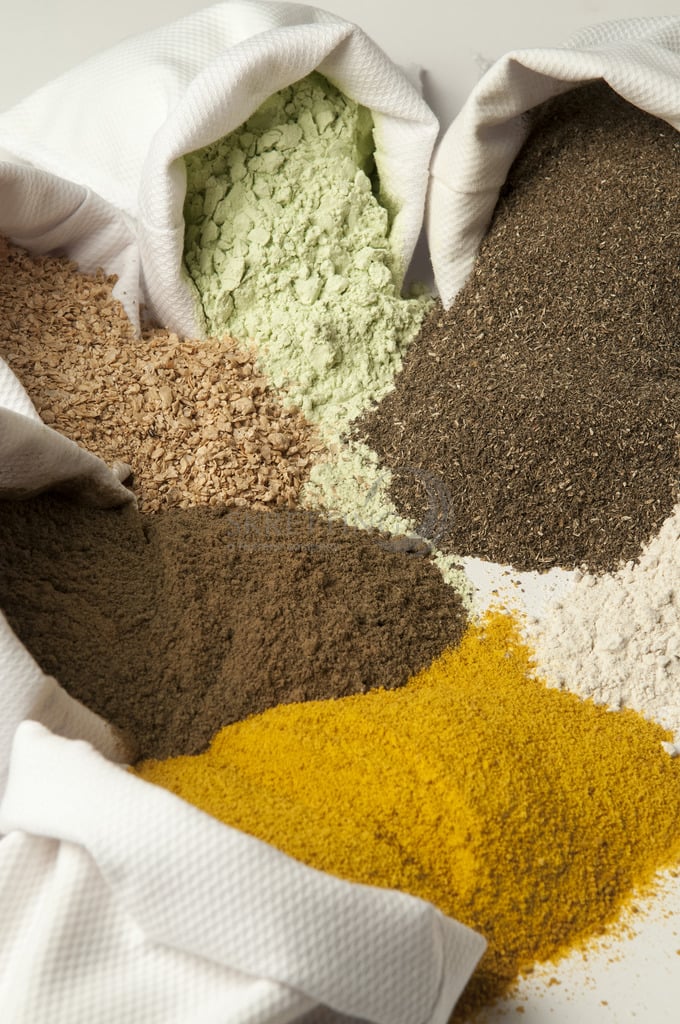
To sustainably grow aquaculture, Skretting continuously invests in R+D on raw materials and technologies to ensure we are fully flexible when it comes to feed ingredients. We rely on globally common natural resources to produce feed ingredients. Our ingredients are sourced from suppliers who can demonstrate that their business is run responsibly and sustainably. A key focus for Skretting's advancement is the use of new raw materials that do not compete with human consumption. These can include insect proteins, microbial proteins, and algae products.
To further facilitate sustainable aquaculture and deliver on our responsibilities and ambitions, Skretting adheres to the vision and actions provided by our global sustainability programme across our business.
Food quality and safety
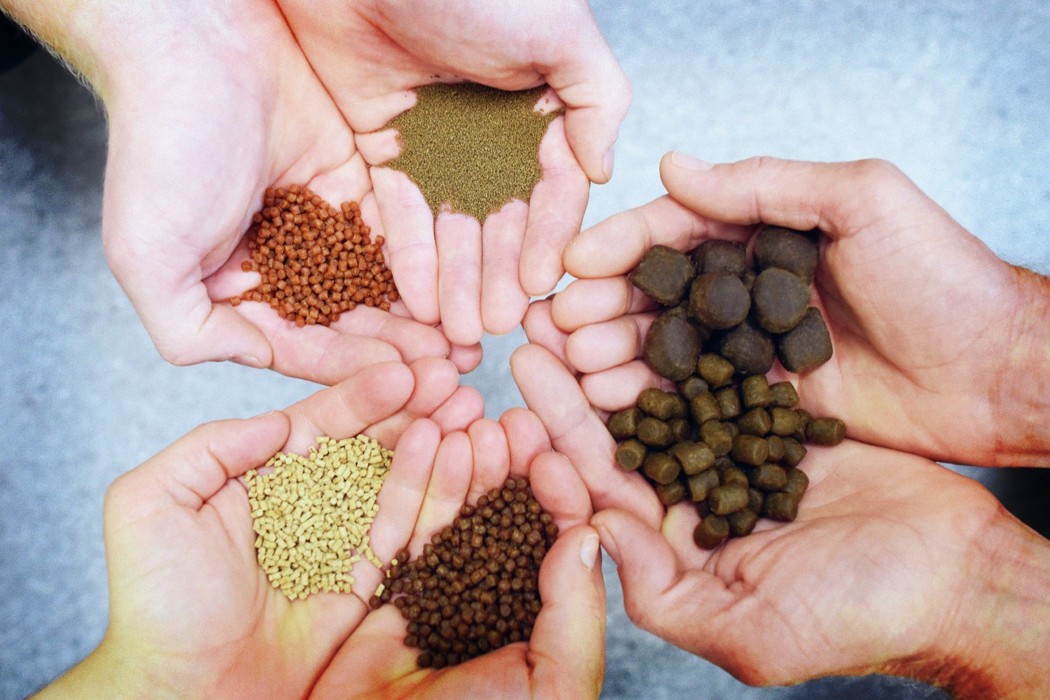
In addition, our food quality and safety system, Nutrace, ensures that our customers and end consumers can have full confidence regarding food in the aquaculture value chain. Skretting combines the latest technology and science with the dedication of our staff to produce the highest quality food. We make every effort to ensure that our business operations adhere to our strict environmental guidelines.
Frequent questions on sustainability
Why is aquaculture important?
According to WWF, 85% of the world’s marine stocks are either fully exploited or overfished. Our planet’s population is forecast to reach 10 billion people by 2050, and with this growth will come a much greater demand for food, including seafood.
Are circular economy principles applied to aquaculture feeds?
Yes. Aquaculture feeds can use suitable by-products and side streams from seafood, agriculture and other food-production systems.
Is aquaculture sustainable?
Yes, when done properly. As a global society, we are around 7.5 billion people heading towards 10 billion by 2050. Not only does this present the problem of an additional 2 billion mouths to feed, human diets are also increasingly shifting in line with growing prosperity.
Are our feeds sustainable?
Skretting works to improve the environmental and social performance of its feeds through responsible sourcing requirements, supplier assessment, feed formulation, quality and safety controls, traceability, due diligence, the use of by-products, and continued research and innovation.
How is aquaculture regulated?
Aquaculture is regulated through requirements that can cover farm approval, animal health and welfare, environmental impacts, feed, food safety, traceability and the use of veterinary medicines. The applicable rules and level of oversight vary by country, species and production system.