What ingredients are in our feed?
Aquaculture feeds provide nutrients such as protein, fats, carbohydrates, vitamins and minerals. These nutrients can come from marine, vegetable, animal and other approved sources. The ingredients used vary by species, life stage, product, market, regulatory requirements and availability.
Feed formulations are developed to meet defined nutritional and product specifications. Formulators consider the nutrients provided by each ingredient, as well as its quality, safety, digestibility, physical properties and suitability for the intended feed.
Like humans, fish and shrimp have specific nutritional requirements, including protein, fat, carbohydrates, vitamins, and minerals. The nutrients in our food come from a variety of natural raw materials, depending on the species and the life cycle they have reached. Aquaculture feeds, which are mainly provided in the form of dried pellets, contain all the essential nutrients needed to keep fish and prawns healthy and growing and meet their nutritional needs during different life stages.
Fishmeal and fish oil are two of the most well-known marine ingredients used in aquaculture feeds. Fishmeal is a powder obtained after cooking, pressing, drying, and grinding fresh raw fish, while fish oil is a liquid extracted from cooked fish. Both are obtained from catching populations of small, bony, and fast-growing short-lived and blue-blue fish for which there is little or no demand for human consumption. Offcuts unfit for human consumption, and resulting from the processing of seafood, are increasingly contributing to the production of fishmeal and fish oil. Skretting has strict policies for the sustainable sourcing of raw materials.
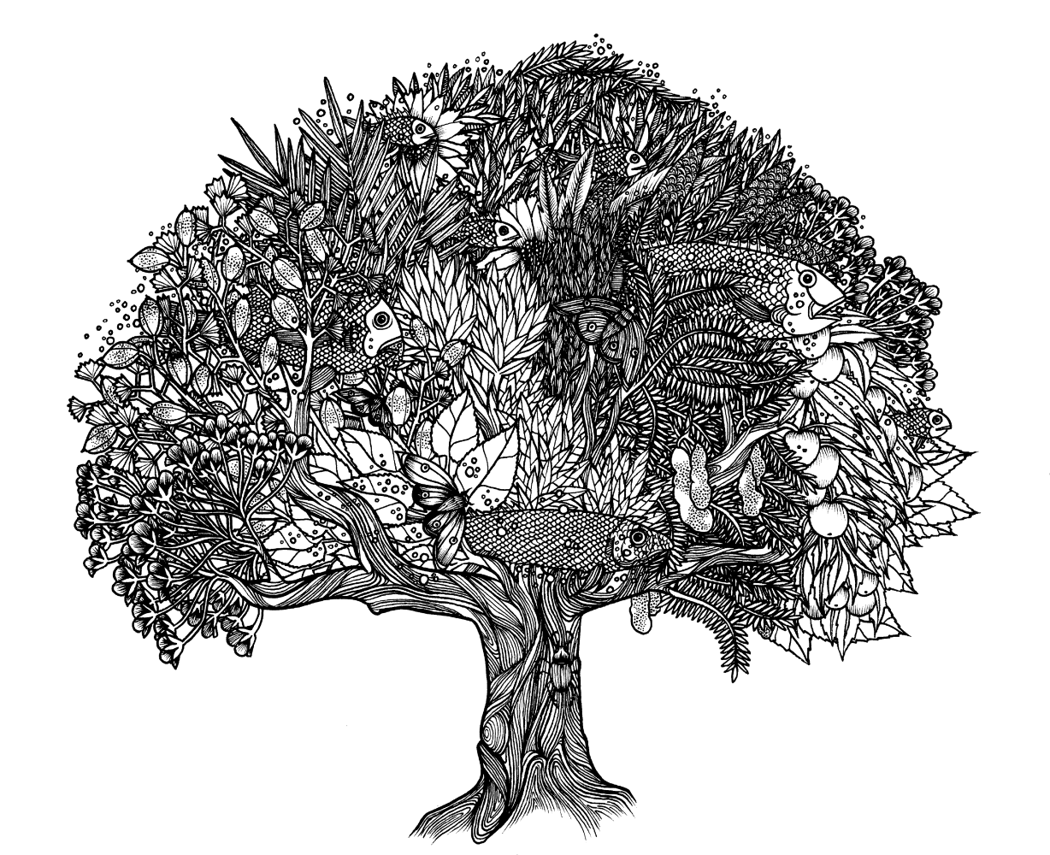
MicroBalance
One of Skretting's most innovative developments in recent years has been the development of fully flexible food, made possible through an innovative concept we call MicroBalance. Substituting ingredients is not as easy as you might expect: micronutrition needs to be fully understood and taken into account to ensure that health and growth are not compromised. Many years of R+D at the Skretting Aquaculture Research Centre (ARC) have ensured that we can now make feed that is completely flexible when it comes to raw materials, and that meets the needs of fish and prawns, with no negative effects on animal health and performance.
Skretting recognises that one of the most positive impacts it can have in the context of sustainability is making sure that it makes its food from responsibly sourced raw materials. Therefore, we strive to improve the sustainability of our purchasing and feeding formulas.
Frequent questions on feed ingredients
What ingredients are in our feed?
Aquaculture feeds contain essential nutrients that should be delivered in the right quantities to keep fish and shrimp growing well and healthily. These nutrients come from a variety of different sources. In addition to fish meal and fish oil, they often contain other vegetable-based meals and oils, fish trimmings and processed by-products from land animals.
Are our raw materials responsibly sourced?
We work to source raw materials responsibly by setting approval and sourcing requirements for ingredients and suppliers. Depending on the ingredient and supply chain, these requirements can cover nutrition, quality, safety, regulatory compliance, traceability, and environmental and social risks.
Are animal by-products dangerous to human health?
Animal by-products are not inherently dangerous to human health when they are legally permitted for use in aquaculture feed and meet the applicable safety, quality and processing requirements. Only eligible materials from defined categories can be used, and controls apply to their sourcing, processing and inclusion in feed.
Do salmon and trout feeds contain colouring?
Yes. Feeds for salmon and trout may contain astaxanthin, a carotenoid that contributes to the characteristic red or pink colour of salmonid flesh. Astaxanthin occurs naturally in the aquatic food chain and also has biological functions in salmonids.
Do feeds contain growth hormones or antibiotics?
Skretting feeds do not contain growth-promoting hormones. Antibiotics are not used as routine feed ingredients or to promote growth.
Do feeds contain chemicals or preservatives?
Feeds may contain authorised additives, including preservatives, when they serve a defined purpose such as maintaining product quality or stability. These substances must comply with applicable feed legislation and the permitted conditions and maximum levels for their use.
What is ethoxyquin and is it safe?
Ethoxyquin is an antioxidant that protects and maintains the quality of the omega-3 fatty acids in fish meal, particularly during transport and storage.
What are fish meal and fish oil, and why are they used in aquaculture feeds?
Fish meal is a powder obtained after cooking, pressing, drying and milling fresh raw fish, while fish oil is a liquid pressed from the cooked fish. Both are produced from harvesting short-lived, fast-growing stocks of small, bony and oily fish for which there is little or no demand for human consumption.
How much wild fish is needed to feed farmed fish?
Skretting now has the knowledge and R&D to produce Atlantic salmon feeds requiring zero fish meal, and zero fish oil. We invest in R&D that provides full flexibility.
Do we use novel ingredients in our feeds?
Yes. Skretting is in full support of the development of novel ingredients and we have been using some of these in our diets with the support of those customers.