Novel ingredients
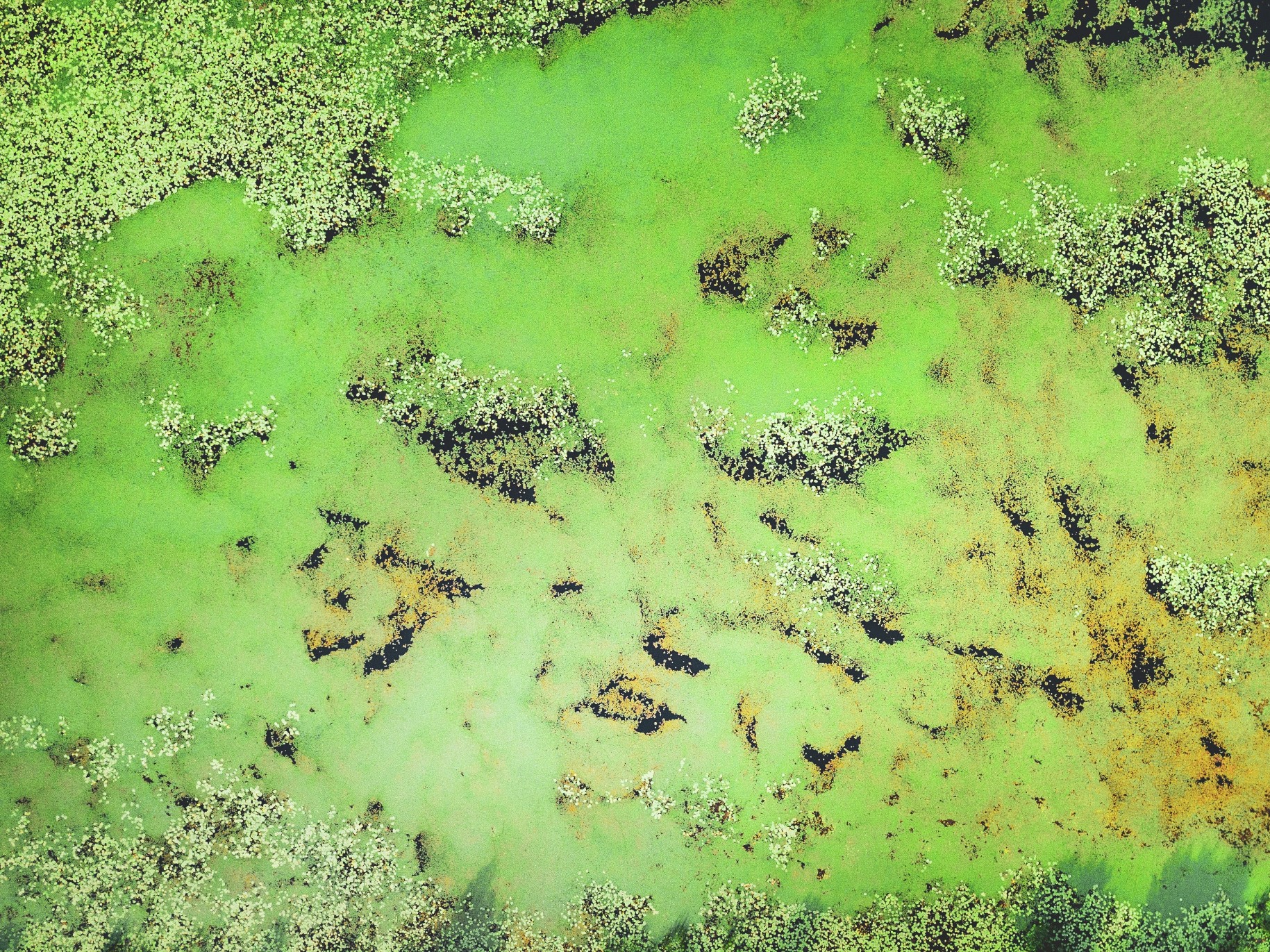
Expanding the ingredient options available for aquafeed can help diversify supply and reduce reliance on selected conventional resources. Novel ingredients are not yet widely used in aquaculture at scale. Their suitability depends on nutritional value, food and feed safety, regulatory status, consistent quality, availability, cost, supply resilience and environmental and social performance.
We assess each candidate ingredient using evidence appropriate to its development stage. Some ingredients are in early research, some in digestibility or growth trials, and some are commercially available in selected markets. Commercial use in one feed business or geography does not mean that an ingredient is available or suitable across the global portfolio.

We need more food, but where is it going to come from?
By 2050, the global population is projected to grow from the current 7.5 to 9.5 billion. That's two billion additional mouths to feed. At the same time, current food resources are being stretched to their limits, while human diets are shifting in line with growing prosperity. Consequently, global agriculture production has to almost double by 2050 – and sustainably. Our approach to food production must change, to safeguard the natural resources that we have, and if possible, alleviate pressures that have already been exerted on them.
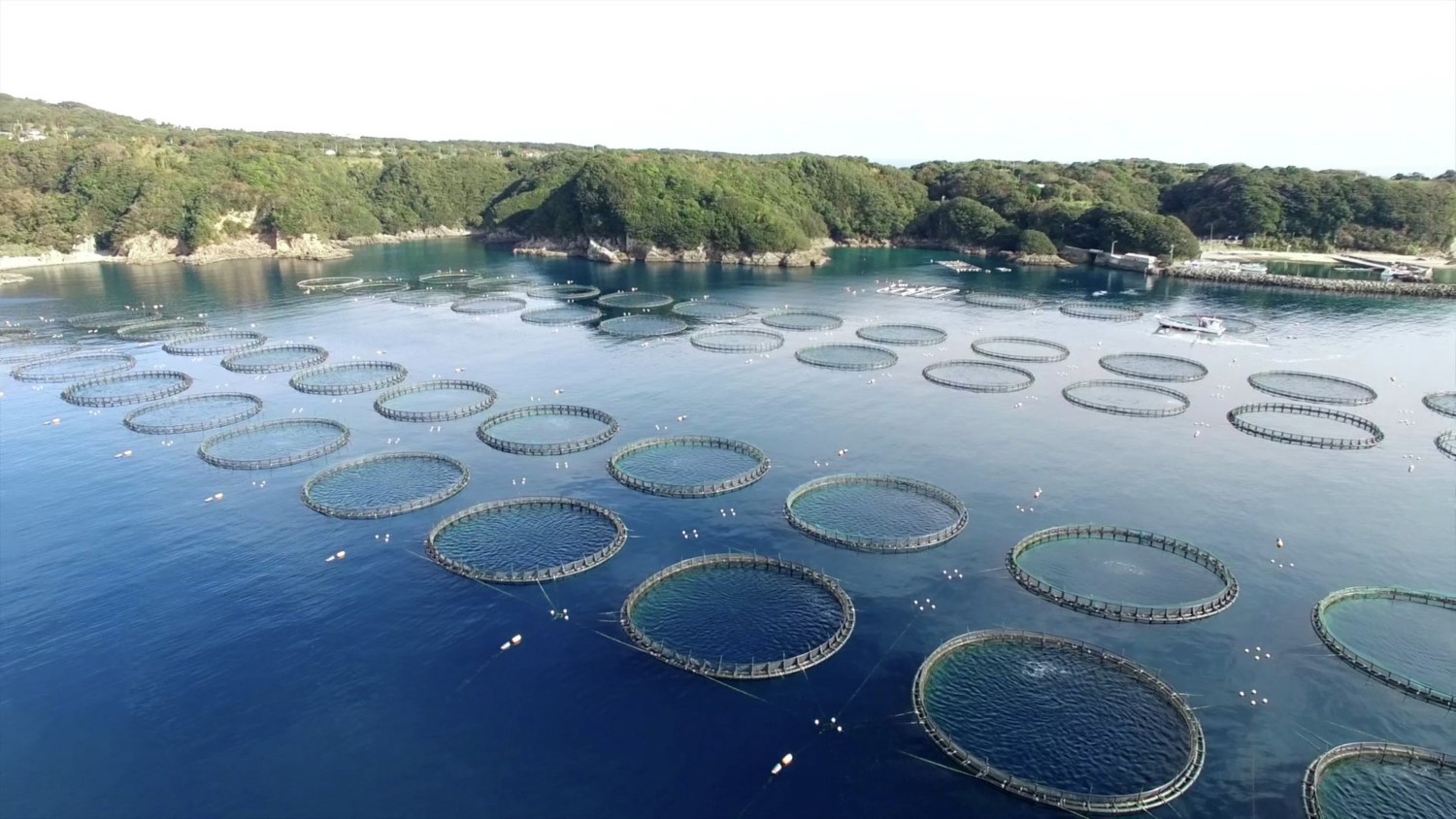
Seafood is one of the most efficient proteins to produce and has the potential to bridge the gap between supply and rising seafood demand. In fact, the consumption of farmed species eclipsed that of capture fishery products in 2014, and this growth trend continues.
According to "The State of World Fisheries and Aquaculture", FAO 2022, aquaculture production is expected to rise to 106 million tonnes in 2030 – a 22% increase from 2020 – providing 90% of the fish that is available for human consumption.
This is not without its challenges. The manufacture of fish and shrimp feed has been reliant on finite resources like fish meal and fish oil from capture fisheries. There is also rising competition for these ingredients from other industries.
To meet broader food and environmental security commitments, while ensuring continued progress and profitability of our value chains, the aquaculture industry has to prioritise the reduction of its dependency on these ingredients. Thankfully, there are ways for us to do this. Breakthrough solutions are at hand. New thinking, new innovations, new technologies and new ingredients are coming to the fore that will enable us to collectively feed the future in a sustainable way.




Are you a start-up company developing novel ingredients?
Do your ingredients align with Skretting’s purpose and innovative approach?