Is aquaculture sustainable?
Yes, when done properly. As a global society, we are around 7.5 billion people heading towards 9.5 billion by 2050. Not only does this present the problem of an additional 2 billion mouths to feed, human diets are also increasingly shifting in line with growing prosperity. Consequently, the forecast that current global agriculture production needs to almost double by the midway point of this century makes long-term food and nutrient security one of the most pressing challenges that we face today.
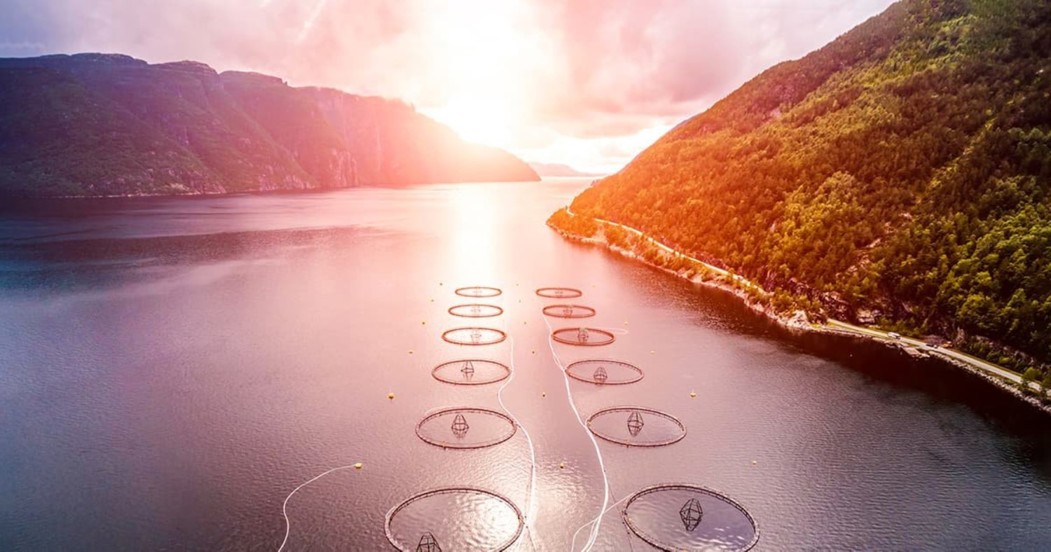
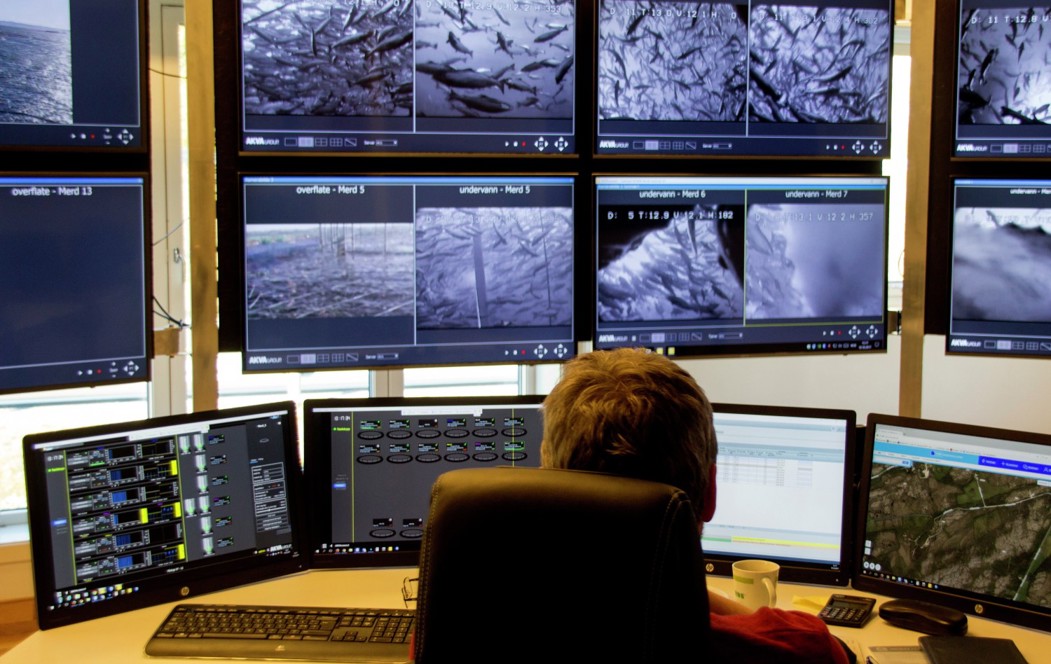
In addition to controlling the efficient utilisation of specific nutrients, the combination of high-specification diets with the application of optimal feeding has facilitated a steady reduction of feed conversion ratios (FCR). A better FCR has direct consequences on the rearing environment and water quality through a reduction of feed waste. This improved control of the farming system as a whole (feed in, water quality, feed waste, health status of animals etc.) allows fish and shrimp farmers to maintain more efficient production levels while lowering their impact on the environment. This is an ideal approach to increase further aquaculture production volumes in a sustainable manner.
To further facilitate sustainable aquaculture and live up to our responsibilities and ambitions, Skretting adheres to the vision and actions provided by our global sustainability programme throughout our business. The programme has also been aligned with the United Nations’ Sustainable Development Goals (SDGs), which define global sustainability priorities and seek to mobilise efforts around a common set of targets.