Skip to search Skip to main content

Responsible sourcing

The ingredients used in aquaculture feed come from diverse supply chains, each with its own nutritional, quality, safety, regulatory, environmental and social considerations. Our approach is to define requirements for raw materials and suppliers, assess relevant risks before approval and monitor approved sources over time.

Transparency and trust

Traceability supports ingredient approval, food and feed safety, verification and supply-chain risk assessment. The information available varies by ingredient and supply chain. We require key information from suppliers and maintain lot and batch records that connect received ingredients with finished feed. Where primary-production or manufacturer information is not available directly, this is considered in the risk assessment and follow-up.

Traceability, audits and certification provide evidence within their defined scope and support the identification and management of environmental and social risks. They do not provide assurance beyond that scope.

Our ethics & compliance programme

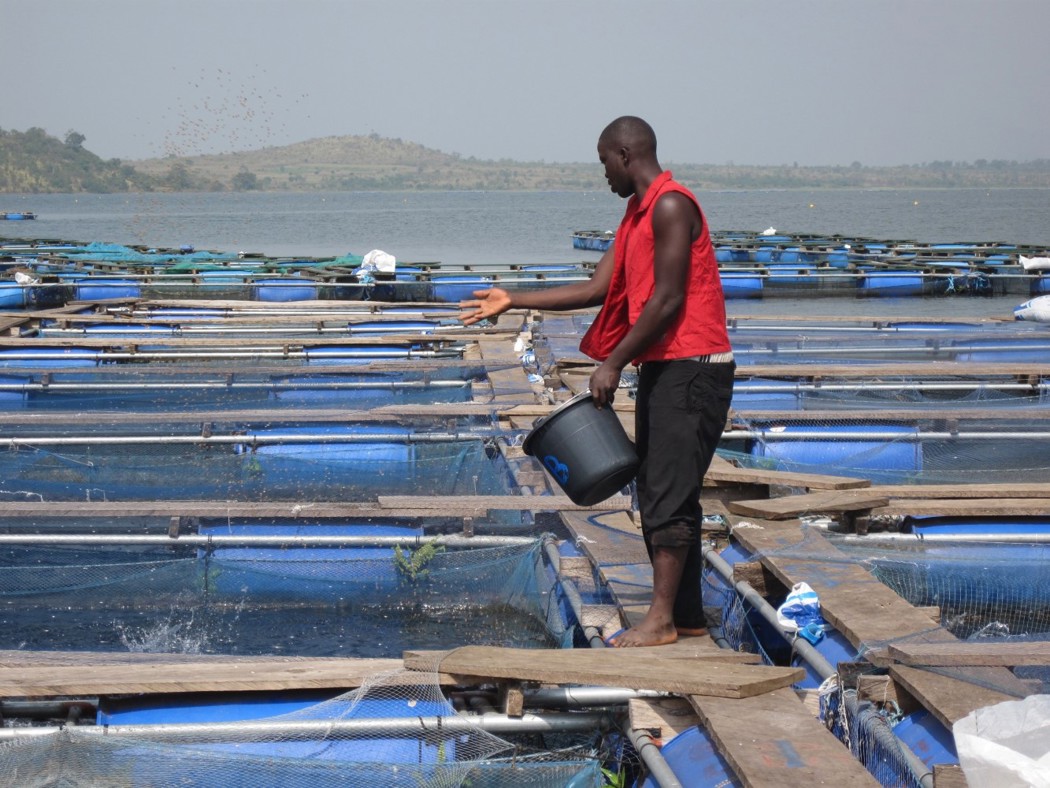
Fish farmer Nigeria

How we work with suppliers

Before purchasing begins, new suppliers and raw materials must complete a mandatory approval process. The assessment considers the requirements relevant to the ingredient, supplier, country of origin and intended use. Potential suppliers are required to provide:

  • Product documentation, such as a safety data sheet and certificate of analysis
  • Acknowledgement of the Nutreco Code of Conduct for Business Partners
  • Completed Skretting manufacturer and supplier questionnaires, including information on areas such as HACCP procedures

Approved suppliers and materials remain subject to monitoring. If documentation expires, specifications change or a potential non-conformity is identified, follow-up may include additional evidence, investigation, corrective action, suspension or withdrawal of approval, depending on the finding and applicable procedure.

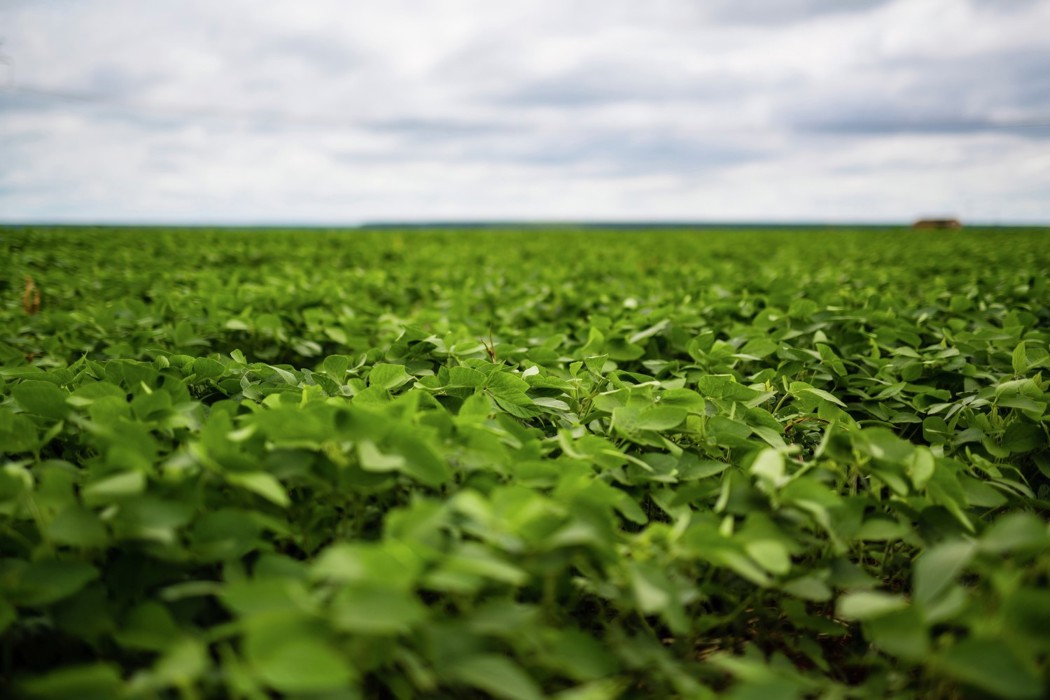
Vegetable field in sunset

Conversion free vegetable ingredients

Skretting is committed to sourcing all vegetable ingredients originating from land that has not been converted from natural habitat to cropland through deforestation or other forms of conversion. The planning and execution of this commitment will be a journey of several years and depends heavily on the ingredient and region we are dealing with.

  • Skretting is committed to sourcing conversion free soy and palm ingredients by December 31st, 2030 with a cut-off date of December 31st, 2020
  • Skretting is committed to sourcing remaining vegetable ingredients conversion free by December 31st, 2035 with a cut-off date of December 31st, 2024
  • Skretting is creating action plans to ensure conversion free sourcing of maize, wheat, sunflower, rice, and rapeseed. During 2025 we are mapping our supply chains on these five commodities
Soy field

Nutreco soy and oil palm ingredients sourcing policy

This Nutreco sourcing policy is specific to soy and oil palm ingredients and focuses on deforestation and land-use change. It classifies sourcing risk and sets procurement requirements according to region of cultivation and the assurance provided by relevant certification schemes.

Read Nutreco soy and oil palm ingredients sourcing policy

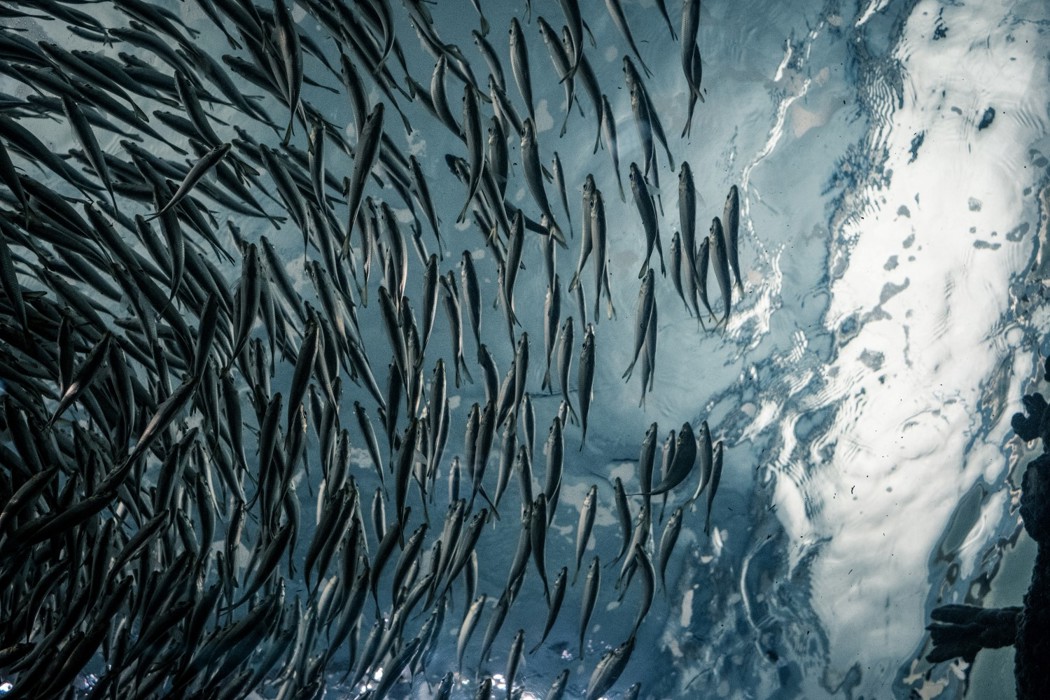
Pelagic sardines

Marine Ingredient Sourcing Policy

For fishmeal and fish oil, our assessment includes available information on species, fishery and origin; the use of whole fish and by-products; traceability; certification or fishery improvement programme scope; and identified environmental and social risks. Requirements and available evidence differ between fisheries, regions and suppliers.

In 2025, 88% of the marine ingredients we sourced from whole fish were certified or came from a fishery improvement project. The figure is based on the scope and definitions used in the 2025 Impact Report. Certification and improvement programmes provide evidence within their defined scope and form part of our wider approach to identifying and managing supply-chain risks. 

Read the Marine ingredient sourcing policy