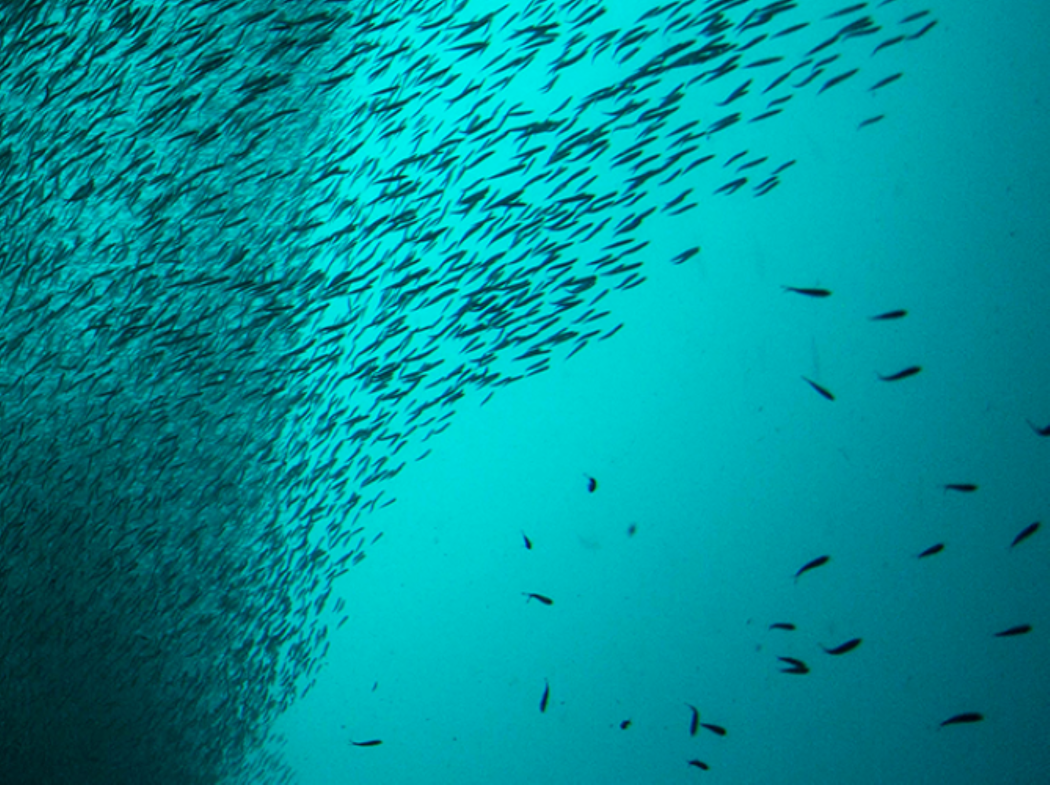
How much wild fish is needed to feed farmed fish?
Skretting now has the knowledge and R&D to produce Atlantic salmon feeds requiring zero fish meal, and zero fish oil. We invest in R&D that provides full flexibility. Our consistent and ever-evolving R&D efforts ensure that we are also minimising our use of finite raw materials, such as fish meal and fish oil. In fact, in 2017, Skretting launched MicroBalance Infinity – a concept proving that a salmon can be grown from 1kg to harvest using zero fish meal or fish oil. The MicroBalance concept was launched in 2010 when Skretting was first able to reduce fish meal in our feeds without negatively impacting the health and performance of the fish, and continues to be pivotal in expanding our knowledge in other species.