Hatchery and nursery
Nutrition, feed size and physical feed characteristics for early development.
Shrimp farming takes many forms, from hatcheries and nursery systems to ponds and intensive grow-out farms. As shrimp develop, their nutritional needs and feeding behaviour change, while water quality, environmental conditions and farm management influence feeding decisions. Skretting combines knowledge of shrimp nutrition, health, feed technology and production with research and local expertise to develop feeds and practical guidance for different species, production stages and farming condition
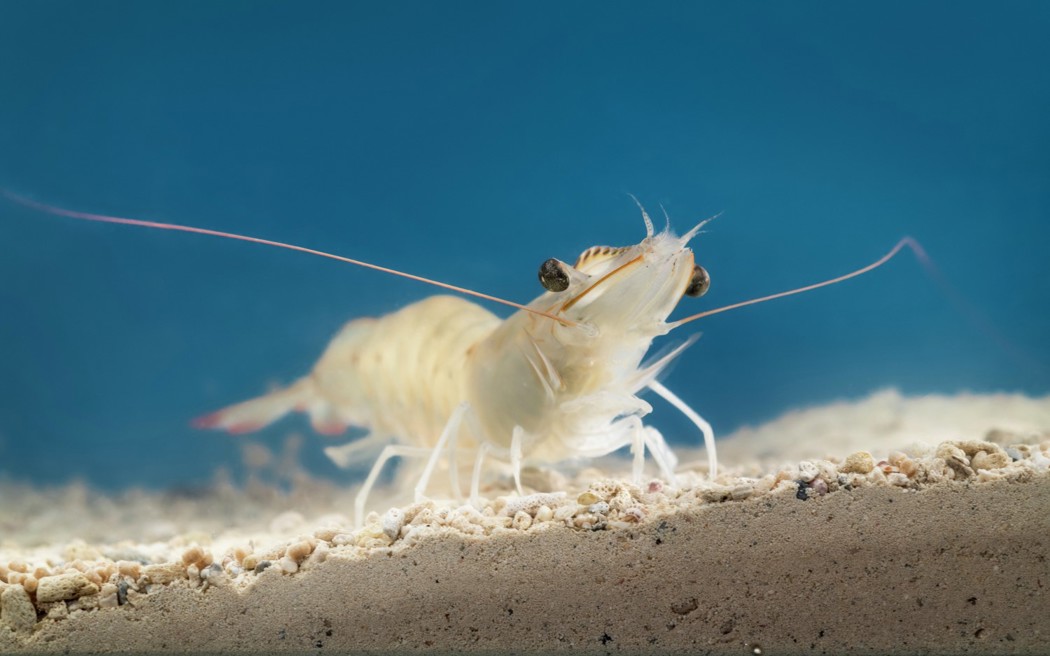
Feed programmes can be adapted to the nutritional and production needs of different stages and farming conditions.
Nutrition, feed size and physical feed characteristics for early development.
Feed programmes for shrimp as they develop towards harvest.
Feed characteristics and feeding approaches suited to pond or system conditions.
Feeding decisions that take account of factors such as temperature, water quality, stocking density and environmental conditions.
Targeted nutritional support can be used during defined health or environmental challenges as part of a wider farm-management approach.
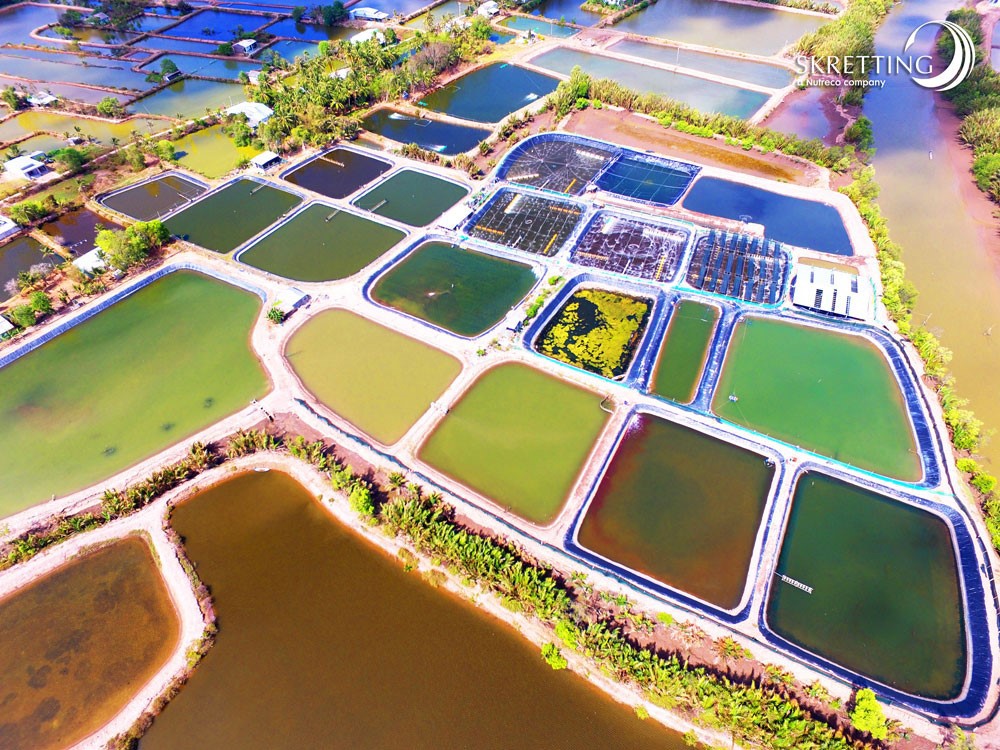
Shrimp often feed gradually, so feed needs to remain available in water long enough to be found and consumed. Feed form, physical stability and feeding practice can influence feed intake, nutrient use, waste and water quality.
Feed performance therefore needs to be considered alongside feeding practices and the conditions in the pond or production system.
Shrimp may take time to find and consume feed. Feed therefore needs to remain sufficiently stable in water while retaining appropriate nutritional and physical qualities under the intended feeding conditions.
Production stage is an important starting point. Shrimp species, water conditions, farming system, stocking density, feeding approach and production goals may also influence feed selection. Local Skretting teams can provide information about feeds and technical support available in their market.