Why choose farmed fish and shrimp?
Farmed and wild seafood both contribute to global food supply. The appropriate choice depends on the species, production or fishery, origin, season, product and the environmental and social factors considered.
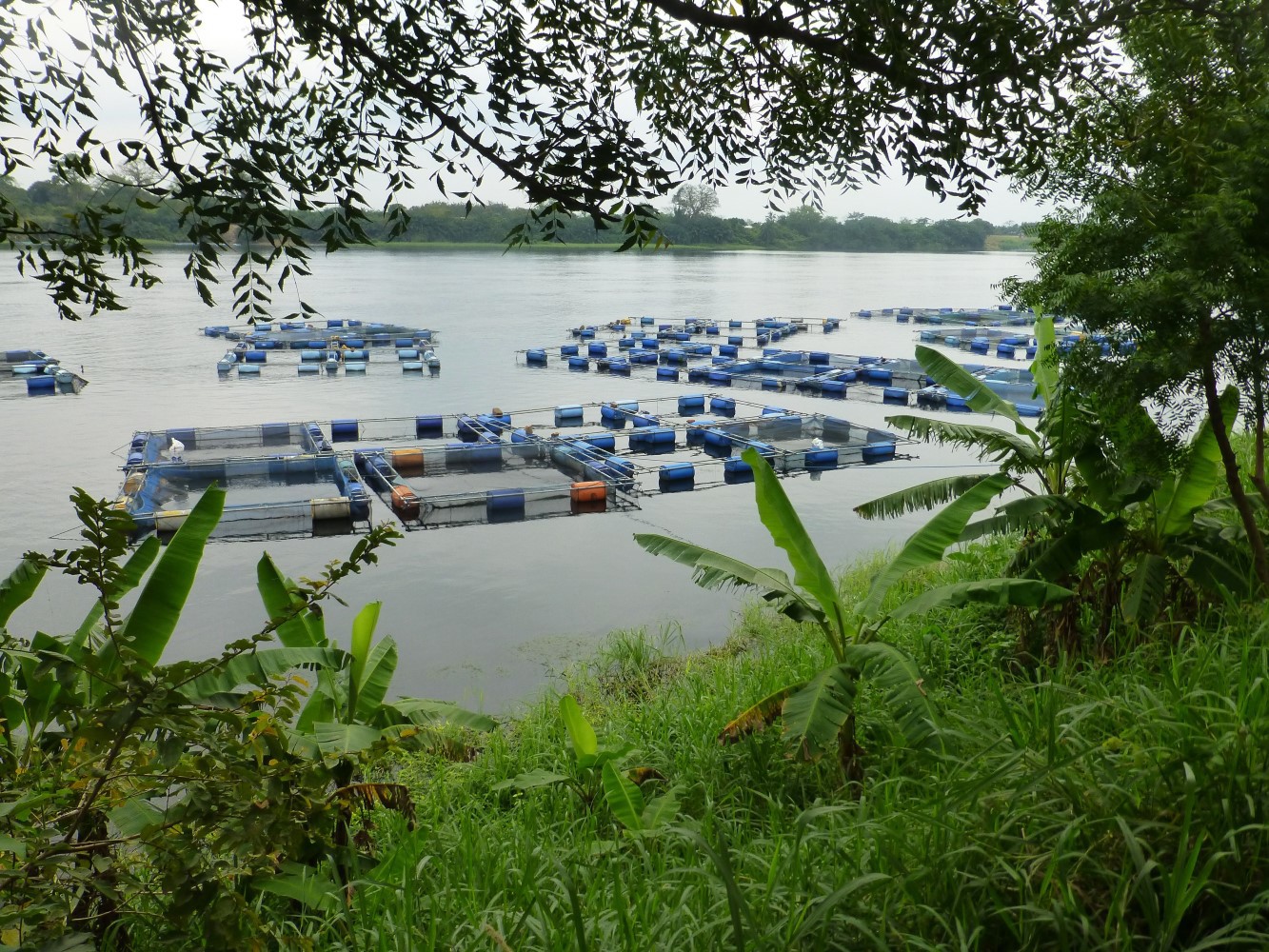
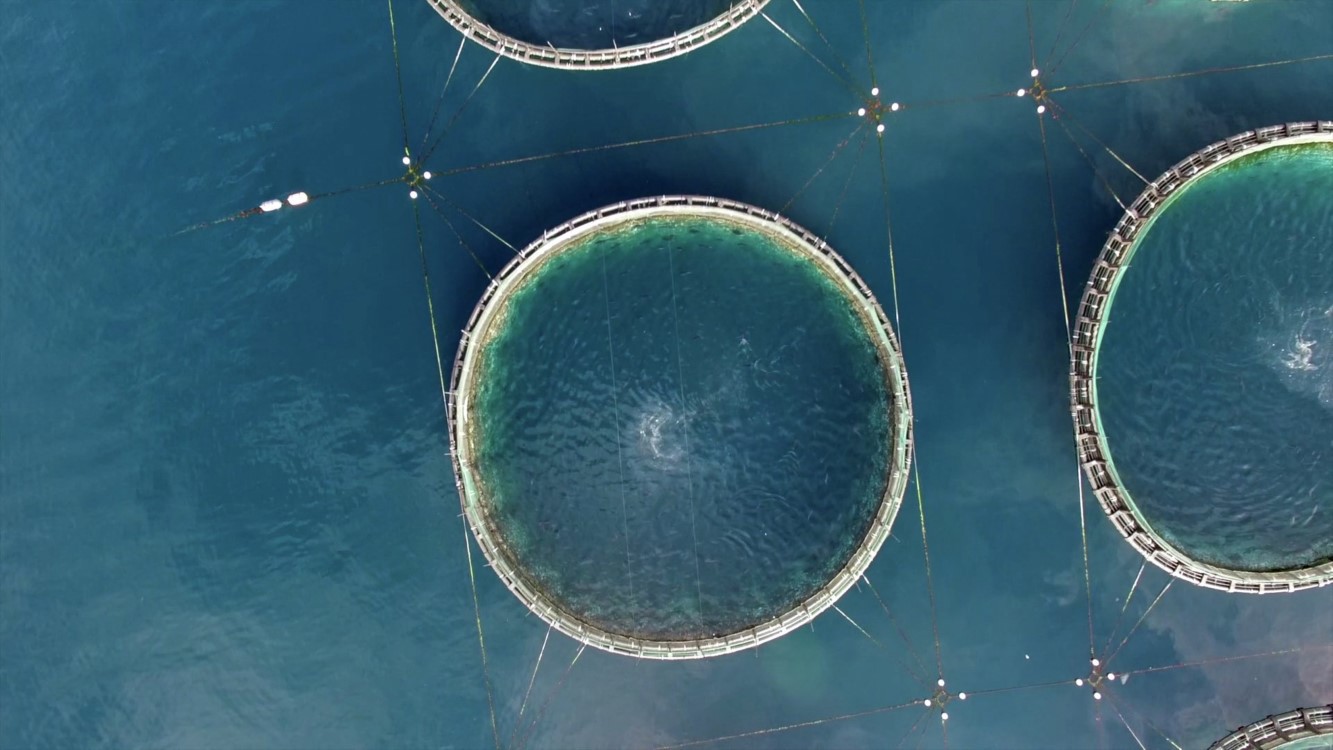
Aquaculture can provide a consistent supply of seafood and allows producers to manage factors such as nutrition, health and production conditions. Its performance varies by farming system and location and should be assessed using relevant evidence rather than a single sector-wide claim.
Consumers can use information on origin, production method, applicable certification and national dietary guidance when making a choice.
Frequent questions on health and safety
Are farmed fish and shrimp healthy to eat?
Yes. Farmed fish and shrimp can be nutritious choices, providing protein, vitamins and minerals and, depending on the species, long-chain omega-3 fatty acids such as EPA and DHA. Nutritional composition varies by species, feed, farming conditions and product.
Is it safe to eat farmed fish and shrimp?
Yes. Farmed fish and shrimp produced for human consumption must meet applicable food-safety and production requirements. Food safety is managed across the value chain, from feed and farming to processing, transport, retail and food preparation.
Why choose farmed fish and shrimp?
Farmed and wild seafood both contribute to global food supply. The appropriate choice depends on the species, production or fishery, origin, season, product and the environmental and social factors considered.